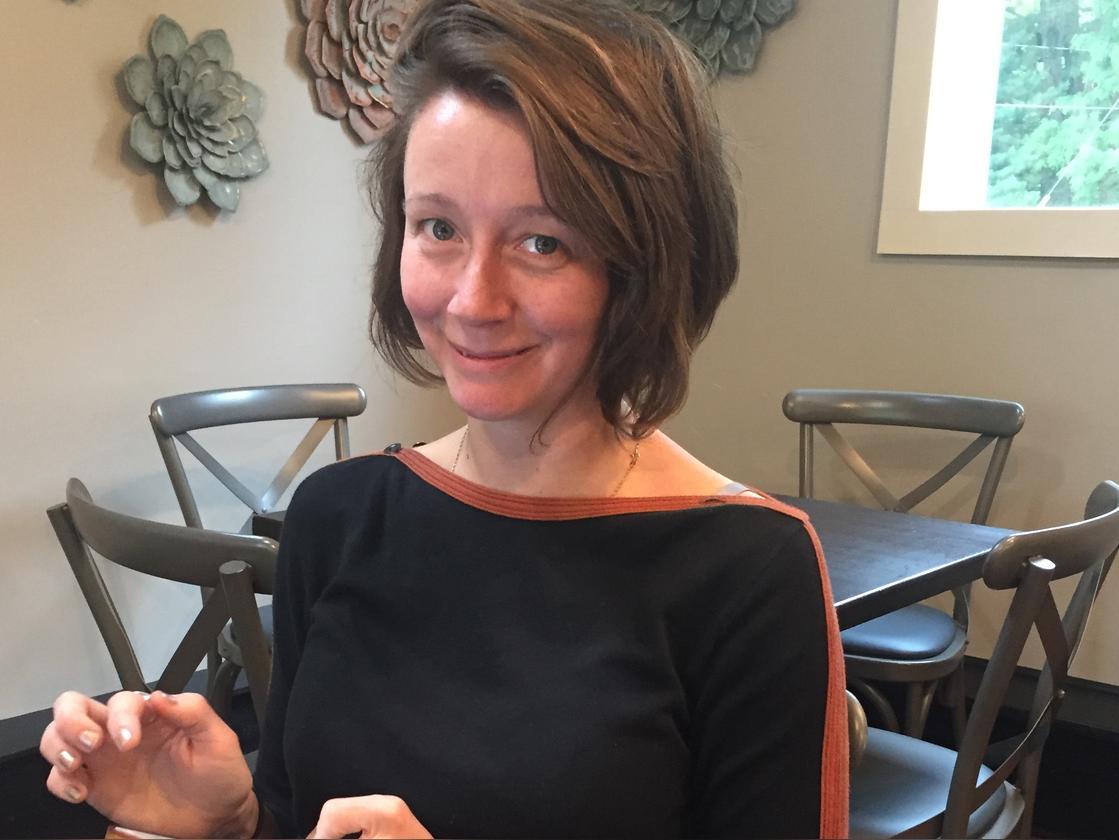
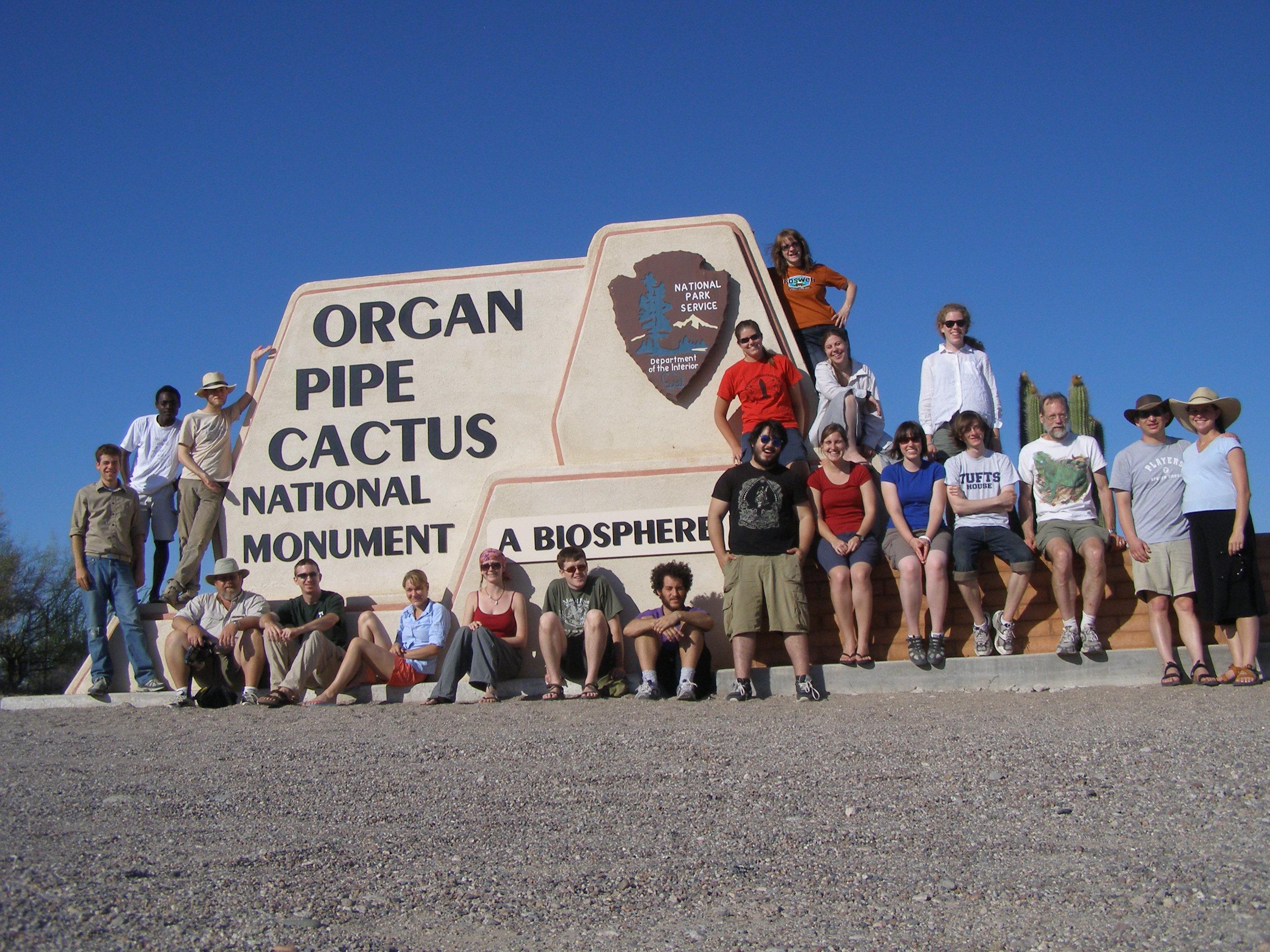
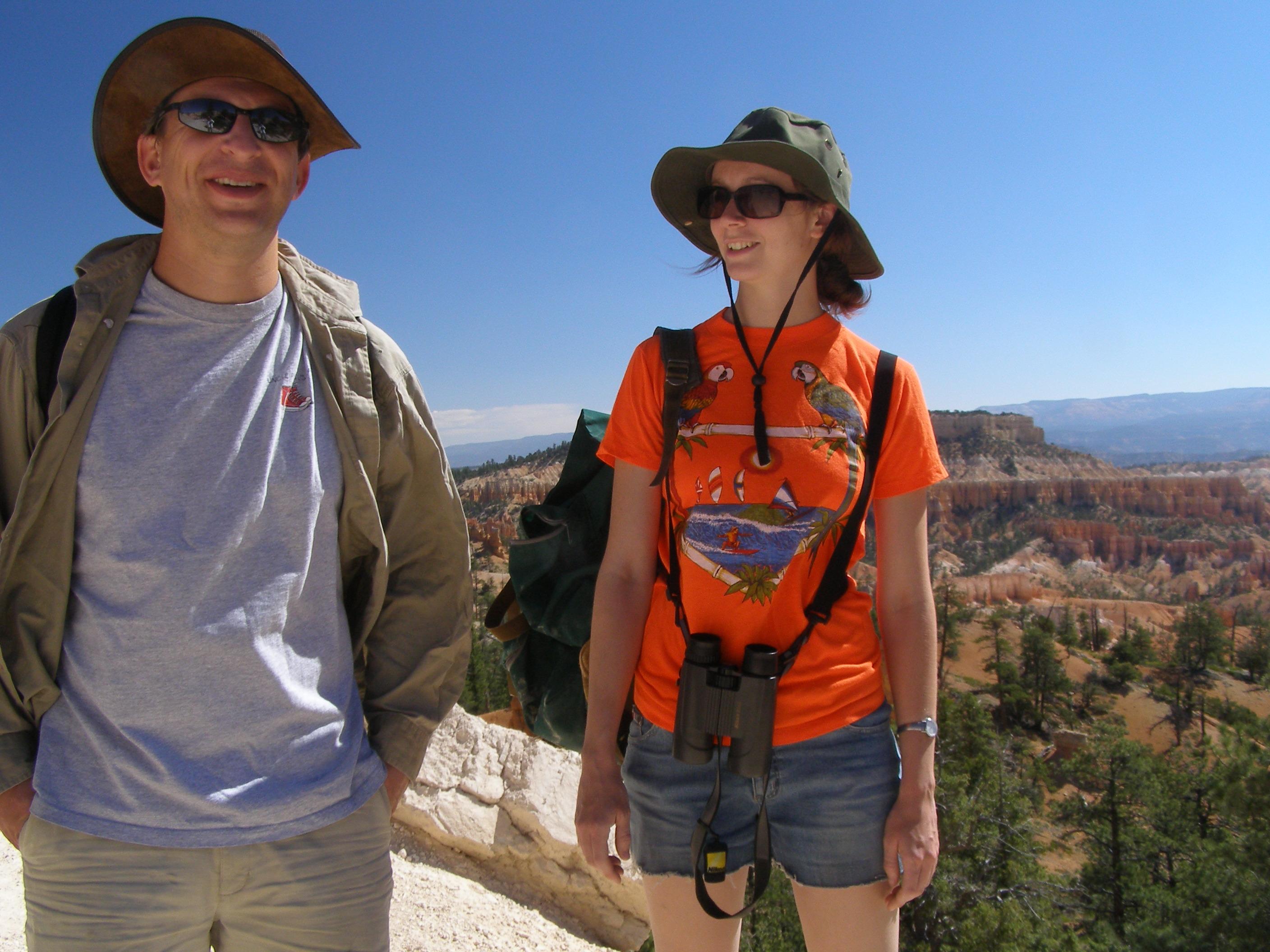
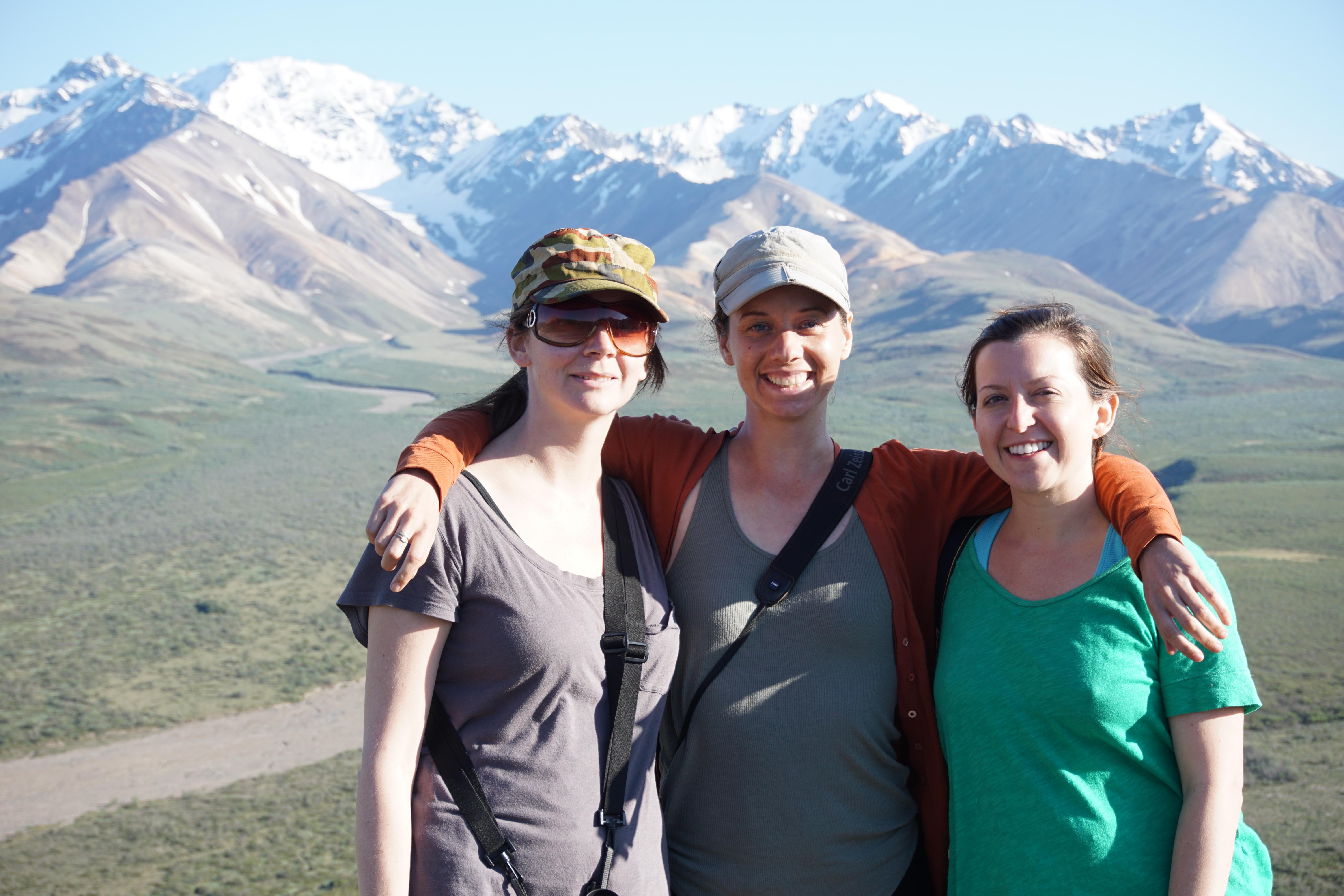
I’d last seen Emma in early October, with Veda and Krishna at an ornithology conference, before she knew her body was being attacked by cancer. I was in my own head at the conference, dealing with my recent cancer diagnosis (caught so much earlier) and my own kid along for the ride, but we did enjoy a large project team dinner together at a Mexican restaurant. Within a few weeks Emma learned her diagnosis and we quickly became text buddies, given our similar situation of dealing with a cancer diagnosis in our 40s, with little kids – hers just a preschooler!
For the past two months we frequently communicated. Emma was brave and funny, even while dealing with incredible pain and terribly frightening news. Her greatest concern was her daughter. I had observed firsthand that Emma was so dedicated to her daughter – taking her on work trips (I first met her infant at a conference in Puerto Rico in 2022) and out for team dinners when our project team gathered in Ithaca (my favorite memory is a dinner at a brewery last summer where her daughter danced in the rain and then Emma gathered her up in a big fluffy towel).
Emma was not only fiercely loyal and committed to her daughter, but also to the staff she worked with on Project Feederwatch – a participatory science project she oversaw where 30,000 US and Canadian people who feed birds report their sightings throughout the winter. Project Feederwatch is the centerpiece of a National Science Foundation grant I lead with colleagues from Cornell (including Emma), Virginia Tech, UGA, and Ohio. Through this project, we are transforming Project Feederwatch into a social-ecological platform to study the impacts of human well-being from bird feeding, and in turn, how people impact feeder birds. The project is a massive undertaking, and our team of scientists is constantly coming up with new changes, spin-offs, twists and turns to create more data. Emma has always been our voice of reason to avoid overwhelming her staff with participant questions (they receive 100s, even 1000s, of emails a week) and to avoid confusing project participants with too many bells and whistles. She artfully communicates about the project, with keen insight about what resonates with participants. And, as well, she has led journal articles with our project data as an established PhD scientist herself. Emma was an advocate for developing new approaches to make Project Feederwatch more diverse, inclusive, and accessible. As she went on medical leave, she was developing a pilot “free Feederwatch” to ensure all people could participate, while thoughtfully weighing some complex and conflicting feedback from our Advisory Board on how to best approach it.
Today I’m relistening to a podcast with Emma’s very alive and enthusiastic voice in it. Even though we didn’t record it together, we are in conversation with each other. Thank you, Deja Perkins and BirdNote, for bringing this piece together that you had no idea would be Emma’s last media interview. I will cherish it forever.
https://www.birdnote.org/podc…