

We will send an invite after you submit!
In memory of
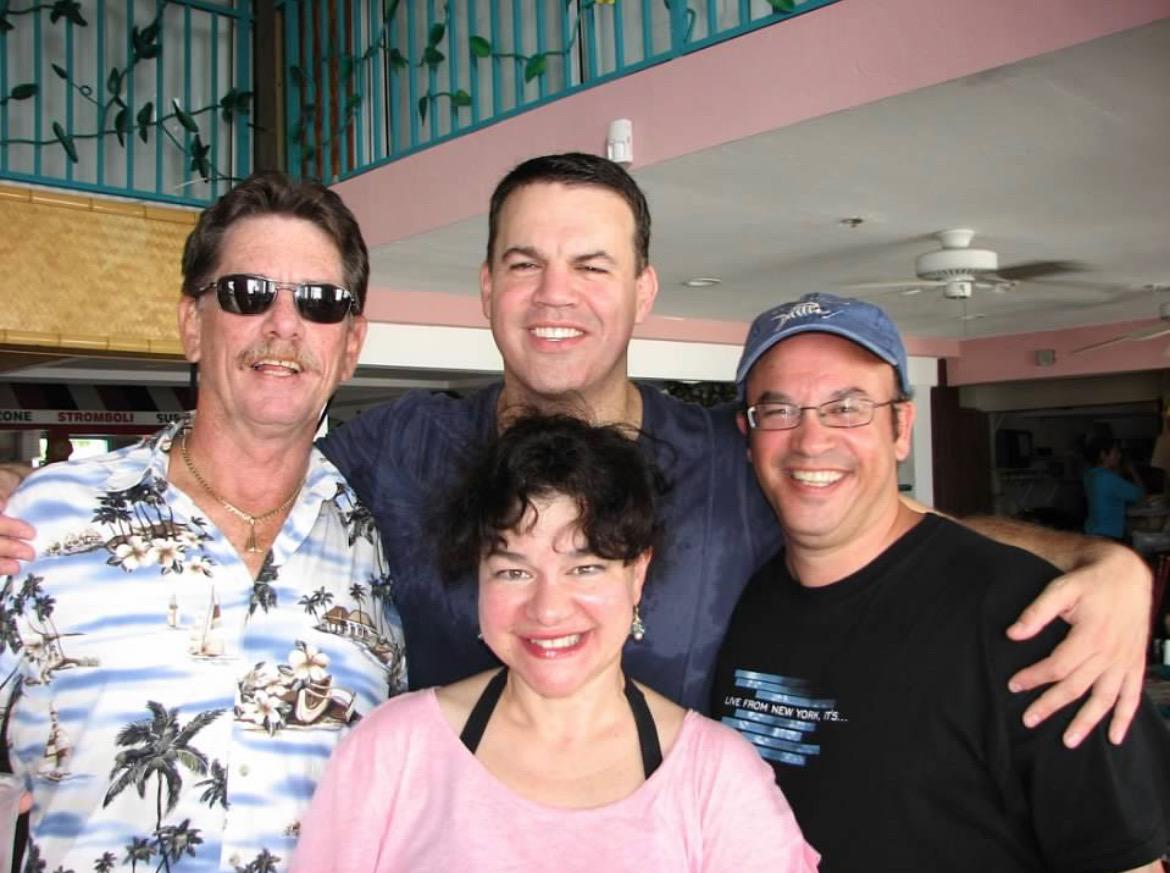
Dr. Alexander "Alex" Ian Sherzer
February 1, 1971 - December 4, 2022
Feb 1, 1971 - Dec 4, 2022


-
-
-
-
-
-
-
-
-

In lieu of flowers
Please consider a donation to Memorial Fund to purchase final resting place.


In lieu of flowers
Please consider a donation to Memorial Fund to purchase final resting place.
$3,420.00
total raised


Send flowers
Share your sympathy. Send flowers from a local florist to Alex's family or funeral.


Shared a heart


Want to see more?
Get notified when new photos, stories and other important updates are shared.
Recent contributions

In lieu of flowers
Please consider a donation to Memorial Fund to purchase final resting place.
$3,420.00
total raised
Recent contributions
Recent contributions
Send flowers
Share your sympathy. Send flowers from a local florist to Alex's family or funeral.
Share this memorial website


How you can help
 Share with others
 Donate in memory
Created with love by
Lara Daoud Angelillo (Alex's friend).
