Brotherman is what he called me, when he called, when he texted, when he “checked in,” when we hugged hello and goodbye, all of which were often.
He likely called other people Brotherman; that’s fine. The thing about Pableaux Johnson and his inexhaustible gift for friendship and unquenchable love for connection, is not that you had to share him with what sometimes felt like all of humanity – it was that somehow he made you feel that you *didn’t*, that you were his biggest priority. More than anyone I have ever met in my life, he made you feel welcome. And in making you feel welcomed, he made you feel appreciated, cared for, and loved.
Pableaux was a writer, a photographer, a cook, a host. He was gifted at all of them, often wildly gifted. He grew up in a big, sprawling family in New Iberia, the Cajun country, where steps and halfs and wholes were irrelevant: family was family. Having to be such a hands-on big brother with little ones made him know he didn’t want to be a father. But it also made him always feel the more the merrier: he believed in the big tent, and he let ‘em all (mostly) in.
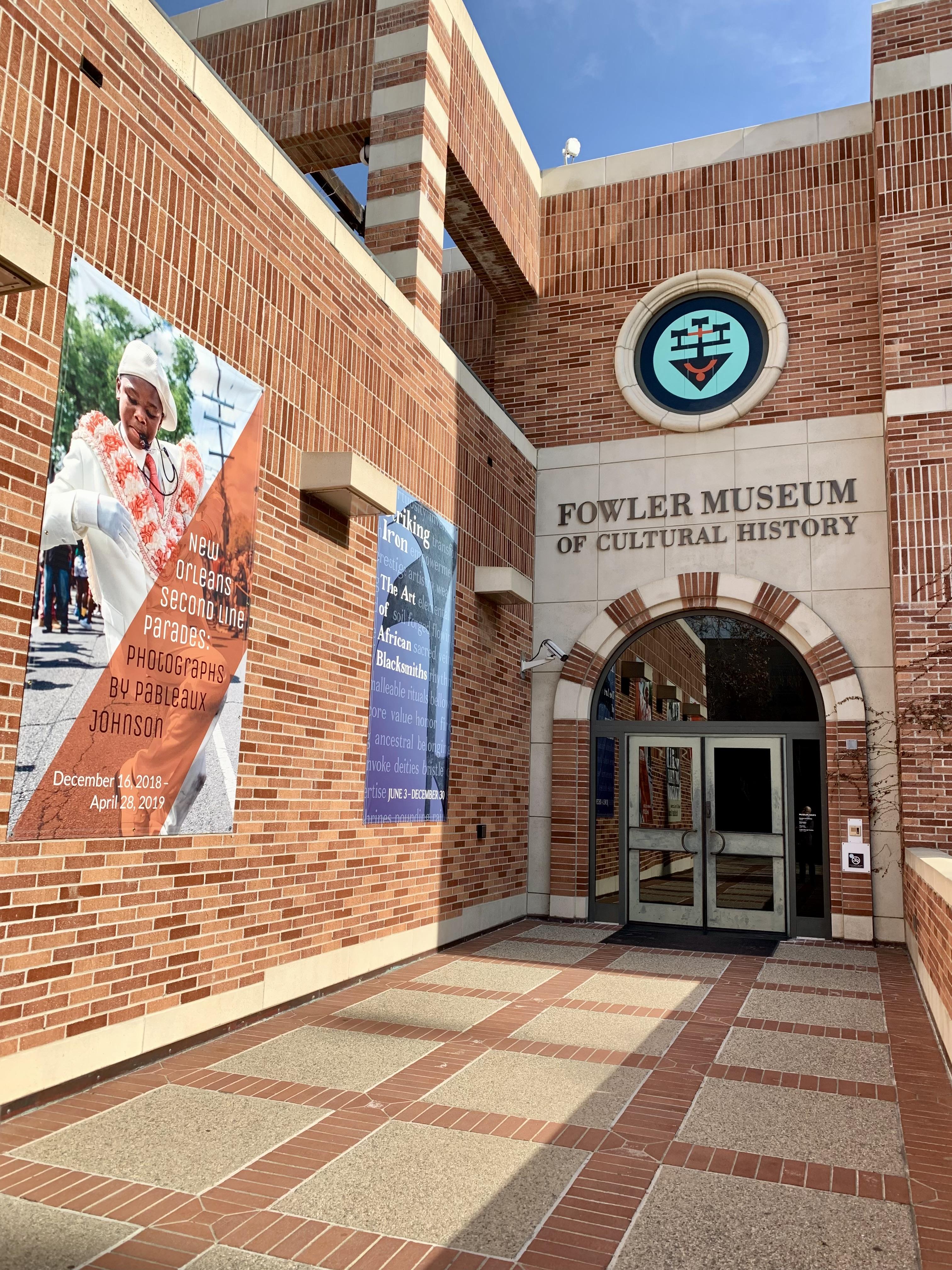
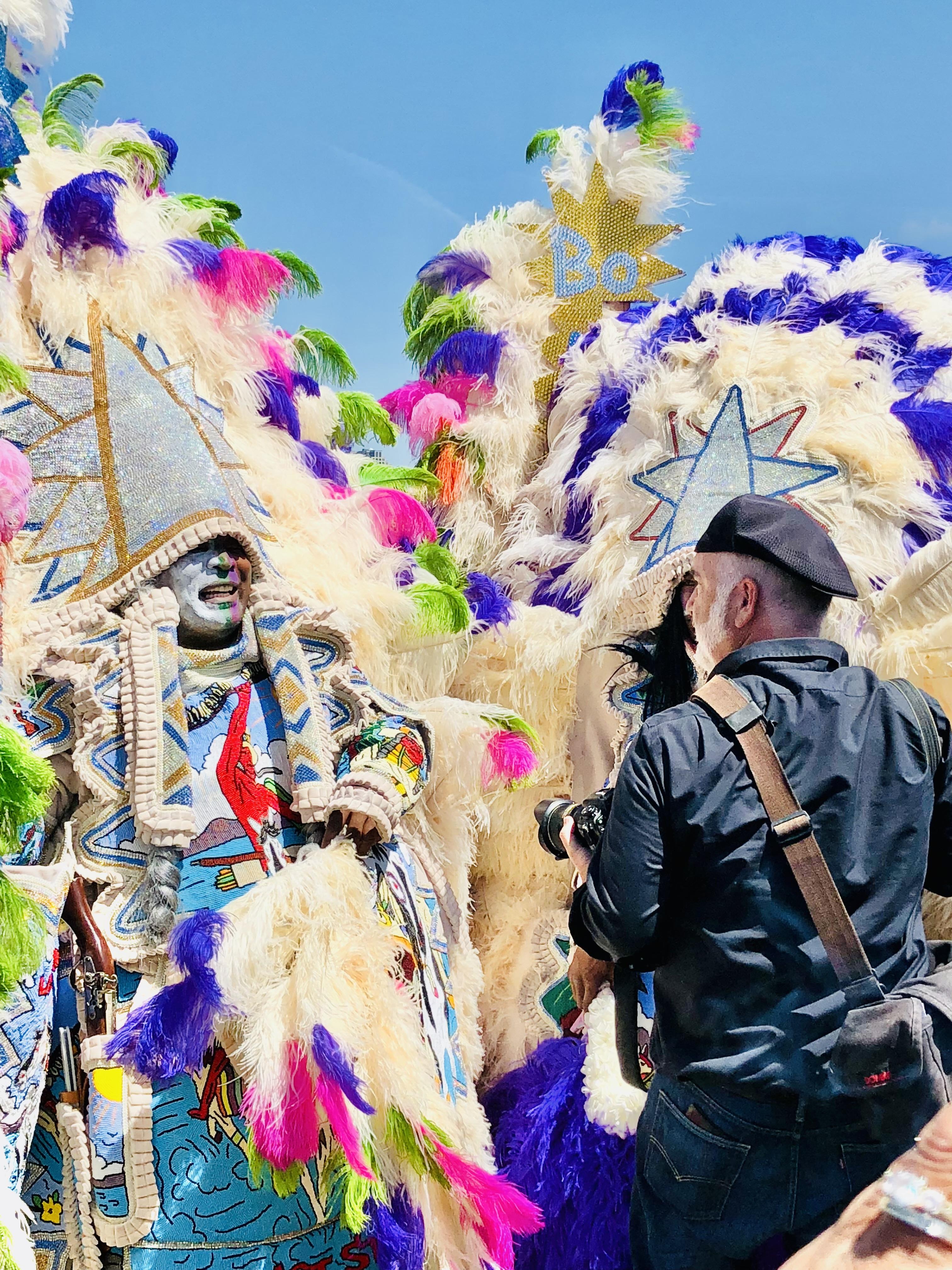
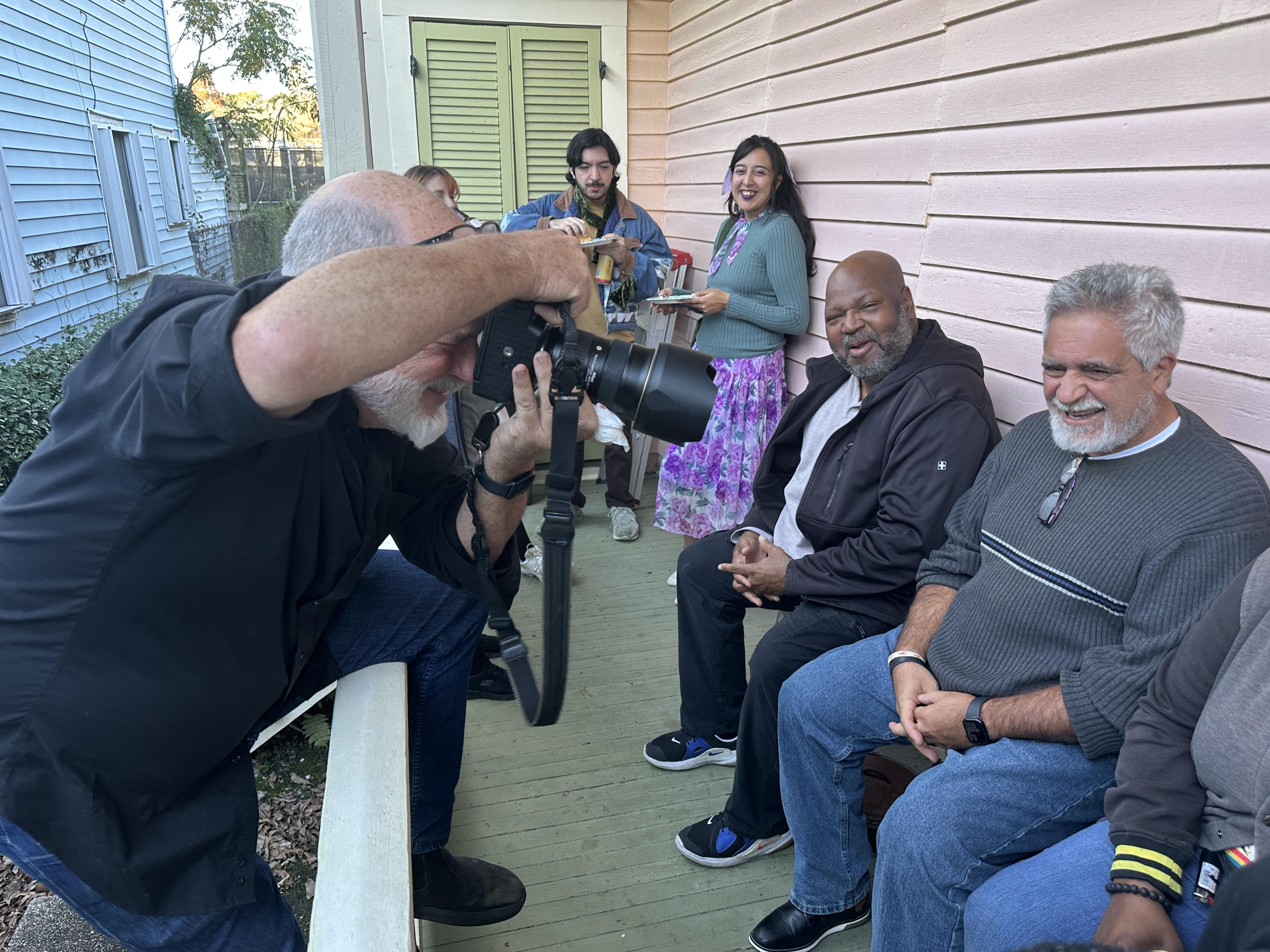
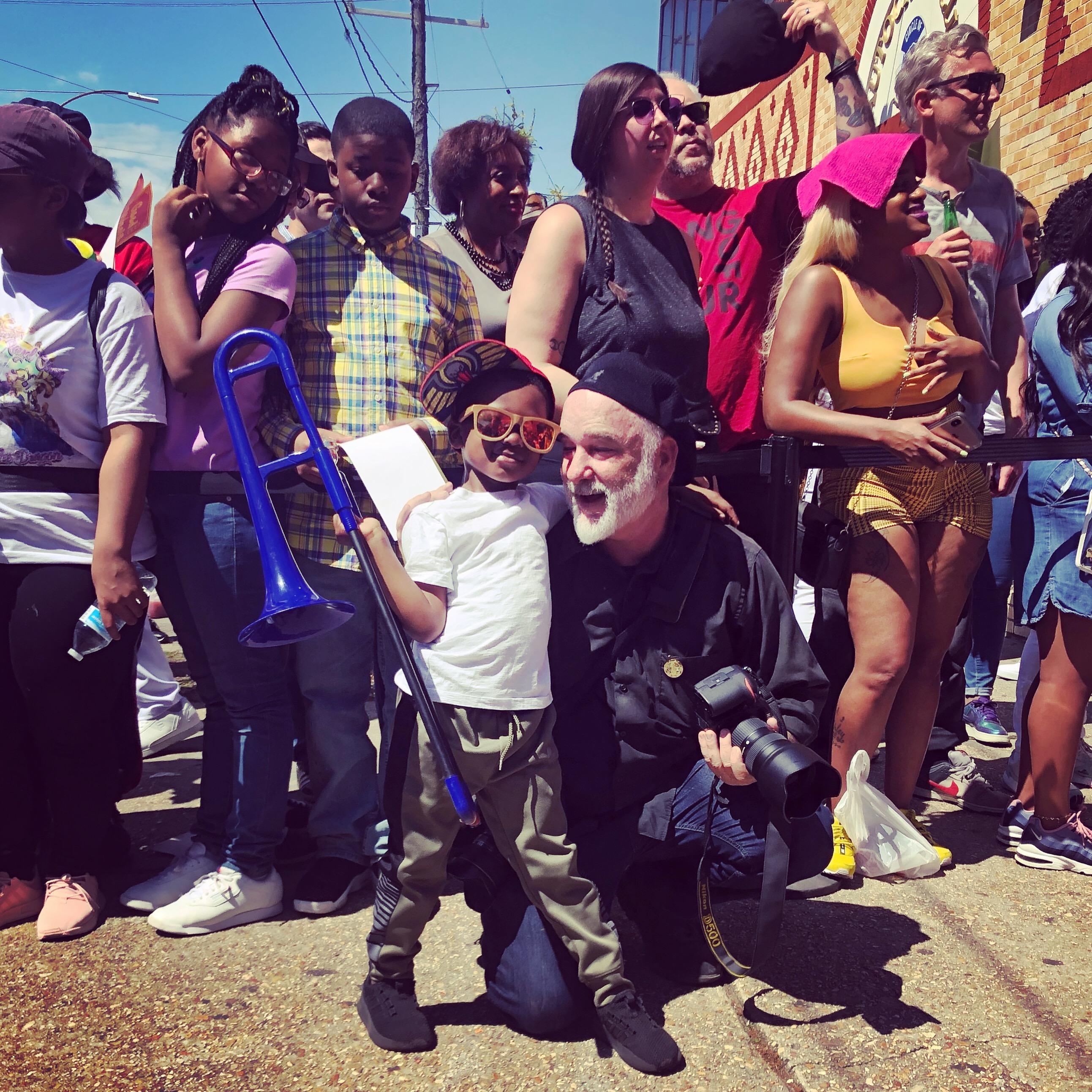
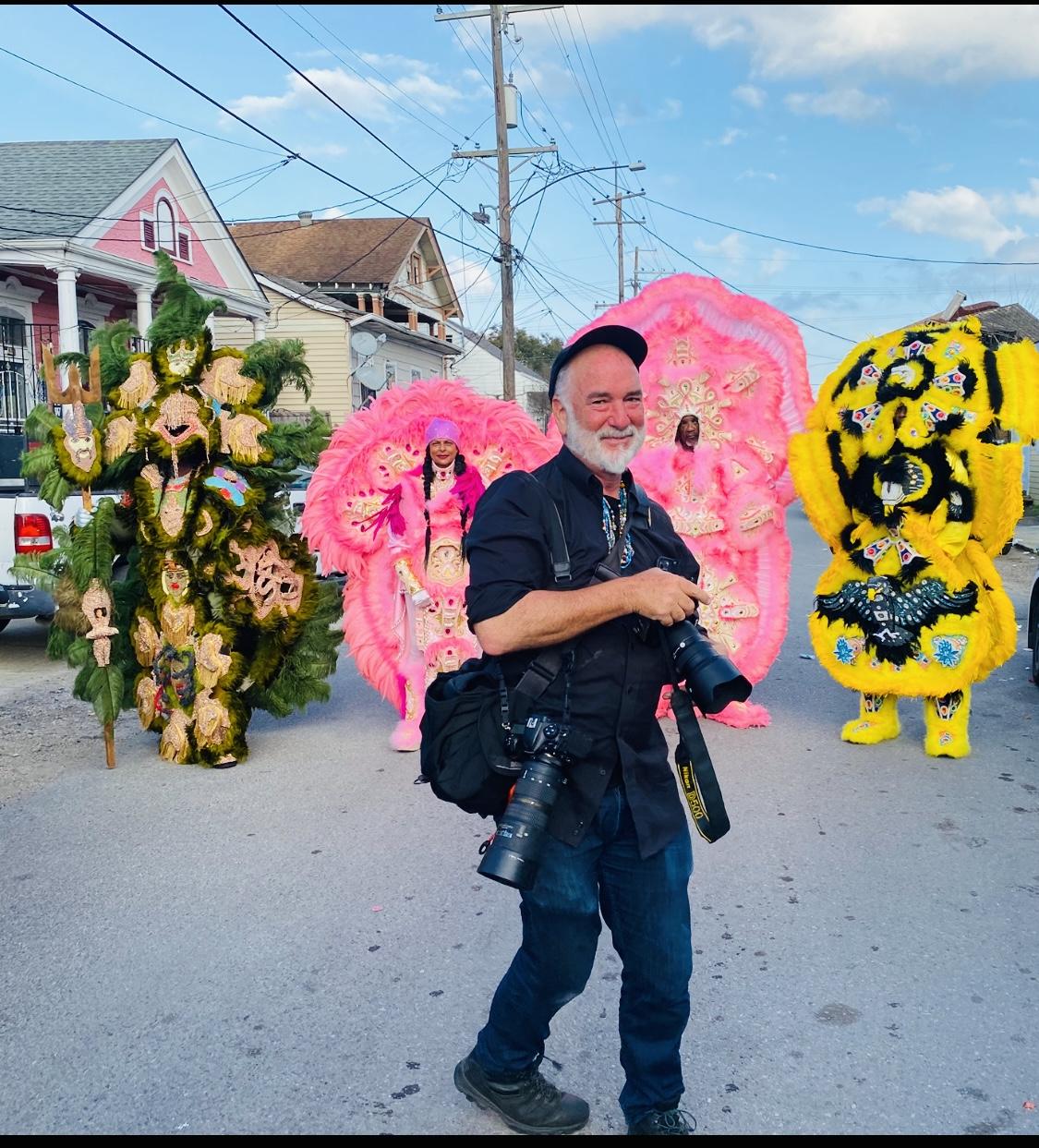
He had majored in anthropology at Trinity in San Antonio; that curiosity about human beings and a humanistic love for what people could be came through whatever the medium. It came through in his photography of the Social and Leisure Clubs and Second Lines and in the Mardi Gras Indians. It also came through in his photos of his friends: he loved rushing up to you with his camera, almost giving no room between the lens and your face; I could sometimes find it off-putting, but to him it made for an authentic, real reaction, not some forced pose you’d made in photos all your life. He cherished authenticity; he so loathed its opposite.
And yes, his curiosity and love for people came through at that long table that belonged to his grandmother where he hosted red beans and rice – or for a few months in winter, turkey bone gumbo – every week. Red beans and rice, cornbread, and whiskey for dessert: he would insist it was supper, not a dinner party, but if you’d been, you knew it was a lie, because it was one of the greatest dinner parties you ever attended.
He loved learning about how professions worked or what made people tick. “You know I’m a process guy,” he’d say, and I knew – I would tease him that he was more interested in podcasts about the workings of comedy than actual movies or comedy shows. When on the multiple occasions he cooked red beans and rice in my kitchen – in Venice or in Laurel Canyon – he would chat friends of mine up over the course of the night, engage, ask them about their lives, their work, what they do. It was all an opportunity to learn and connect.
He had been to India last summer, visiting friends who were in the foreign service there. He came back and the conversations I had with Pableaux afterwards were him at his best: processing, trying to figure it out, and being open and honest with his impressions, about what was beautiful, but what was hard, too. In that way, too, he would let it all in.
He wasn’t perfect, and he had his struggles. I think as the freelance market collapsed, he struggled to figure out how to adjust, probably not helped by his strong sense of justice and fairness: it sometimes was unfathomable to him that he had to work under people who were jerks, beneath him. For someone with friends throughout the world, he could be lonely; he had a big heart, and he longed to again have a partner. (He refused to do online dating, explaining that New Orleans was too small a town and that he was too public a figure there: some things he preferred to keep private.) Sometimes when he would call me – CLANG CLANG CLANG – I’d ask him to call when his attention wasn’t distracted by 47 other things. He could judge: he thought restaurant culture was boring – he could be sometimes tough on anything that felt snobby – and he could be tough on boyfriends or girlfriends who he didn’t think were deserving of his friends. Organization was not one of the hallmarks of his home. His Airbuds never seemed to work.
But my God: what kind of wonderful human it is when you’re left to point to his shitty Airbuds? He was stalwart and lionhearted, exactly the friend you’d want in your corner when the rockets come down. He seemed to always be going to funerals, not just for people he knew, but for the people that the people he knew cared about and loved. Again and again and again, he showed up. But he was also showing up long before the end – for friends going through divorces, friends going through depression, friends going through health scares. It’s one thing to say that he was a great gatherer at his dinner table, and he certainly was, but he took the time for intimate one-on-one: in all of these ways, he was the most socially generous person I have ever met.
He was soulful and he was kind, and, maybe above all else, he was so much fun. He cursed like a seven year old who is excited because he just learned the bad words. Even though he boasted a huge knowledge of music – he worked in a guitar shop in high school – he’d say that he preferred to “get my music on the street,” meaning second lines. But he loved the Guy Clark lyric, “Being six years old, I had seen some trains before,” and he said that the Randy Newman line in “Birmingham” – “my daddy was a barber, a most unsightly man,” reminded him of his grandfather.
He had been in a really good place ; he was optimistic and eager and hopeful for his 2025. He had figured out a way to scale the Red Beans Road Show in a way that it would be a viable means of income, and he had also after many years, figured out not just how to monetize his photography of social and leisure clubs and Mardi Gras Indians, but to do it in an ethical way where he would share profits with his subjects. This, among many other stories and facts, speaks to his integrity, which was flawless. He saw it as a privilege that he had earned access to such closed-off, tight-knit communities as the Mardi Gras Indians: he saw it as his responsibility to do them right.
He only got really angry at me at me once. It was on a trip he made to Los Angeles, about eight years ago, where at breakfast, I made a dumb, sweeping generalization about Katrina, and he looked at me with anger and said, “You don’t know what the fuck you’re talking about.” He was right. But I also had hit a nerve that others had, of not understanding something essential about his adopted city that he loved.
Pableaux had never lived in New Orleans until well into his mid-thirties. After college, he lived in San Francisco, Oxford MS, Austin, only to New Orleans just a few years before Katrina. (Besides his many travels,he only took one break from it, a year in Louisville.) To me, he is inextricable from that city, and to my experience of it. He got me to go to my first second line, he introduced me to many restaurants and bars that I now count among my favorites anywhere. When I had my 50th birthday party there in November, he gave a talk at Parkway to all my friends about second lines, took photos of my friends on Sunday at the Tremé second line, then cooked red beans for everyone at the second floor of Coquette. I was trying to introduce the people I love to the New Orleans I love, but I now realize I was introducing them to the New Orleans Pableaux had so shared with me. He loved that: he wasn’t threatened by it, the same way he loved it when friends became friends through him. In the same way, I loved introducing both my father and my mother to him, when I brought them to New Orleans, and a couple of my ex-girlfriends, too.
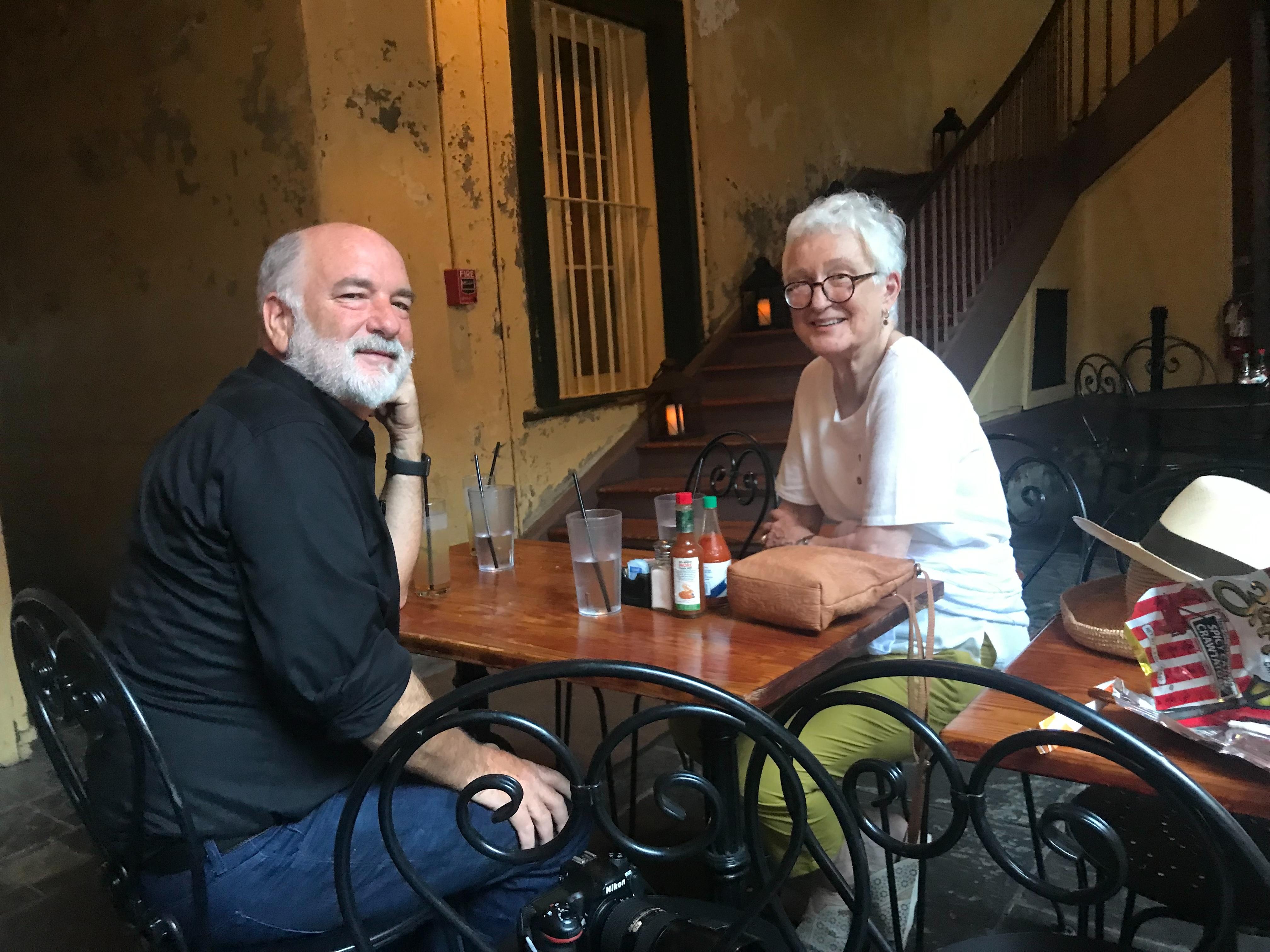
I returned to New Orleans this past New Years to write a story, about a chef and restaurant I both love, both of which, of course, Pableaux originally introduced me to. I stayed with him for two of those nights, on his sofa bed. I’m grateful for that time we had, the luxury to so talk Big Picture, about our intentions and hopes for a new year. We had dinner at Liuzza’s one night. On another night, he hosted a table full of people for his smoked turkey gumbo. (Gumbo season – a massive project where he kept turkeys and turkey carcasses in friends’ refrigerators across town – was his interregnum from red beans.) We sat over coffee at Cherry, where he liked to work in the mornings.
On New Years Day, he cooked the good luck foods – cabbage with tasso and black eyed peas – for more than a hundred fifty people, hours after his city had suffered the attack in the French Quarter. He did this with a sense of purpose, that his food and his table and his power of gathering was what his people – he used that phrase ALL the time, “my people” – needed. Again, he was right.
On the day I left, we had lunch at R&Os, a favorite po’boy place, out of the way almost by Lake Pontchatrain. There he explained the move was not just to get the roast beef po boy with debris, but also the fried oyster po’boy with a side of gravy for dipping. Then he gave me a ride to the airport. Let me say this again: most people can’t get their spouses to give them rides to the airport. Pableaux picked me up from MSY and dropped me off. “It’ll give us more time,” he said.
We hugged outside the car. And soon returned to our usual rhythms: talking three times a week, texting every other day. The last photograph he sent me, two days ago, was a photo outside his house Uptown in the crazy snow. Our last text was his sharing with me something nice someone else had said about me, passing along a third-party compliment. That was who he was.
That he died Sunday morning doing one of the things he loved most – photographing the second line – is no comfort. He was only 59 years old. It is painful – it is unthinkably hard – to imagine not just a New Orleans, but a world without him in it. He was my friend, he was my brother, and it breaks my heart in a thousand pieces to clock that I won’t be seeing “Johnson Paul” show up on my Caller ID again.
A couple of years ago, on our way to dinner, he stopped to show me something he was proud of. It was a huge mural in Mid-city, of figures in that neighborhood’s social and leisure clubs. And there, tucked into one corner in the mural – was Pableaux. He loved that.
One more memory.
We were driving once across town in New Orleans midday – maybe from a meal or to one. The sky was incredible, full of clouds. Unexpectedly, we came across a second-line parade, one of the occasional ones that happen on a day other than Sundays.
Pableaux stopped. “Hold please,” he said, and pulled his car to the side of the road. He grabbed his camera from the car, and he hustled half a block down the street.
I got out of the car and stood and watched, seeing his figure in the distance against the incredible sky. As he slowly walked back, in his trademark Johnny Cash black, I took my iPhone out and captured my friend, my gorgeous human of a friend who would stop everything to chase the beauty and the joy down the street.
“You get what you need?” I asked, when he reached the car.
“I got it,” he said.
💔




 10
10
 1
1











 Share with others
