

We will send an invite after you submit!
In memory of
The Anacostia River


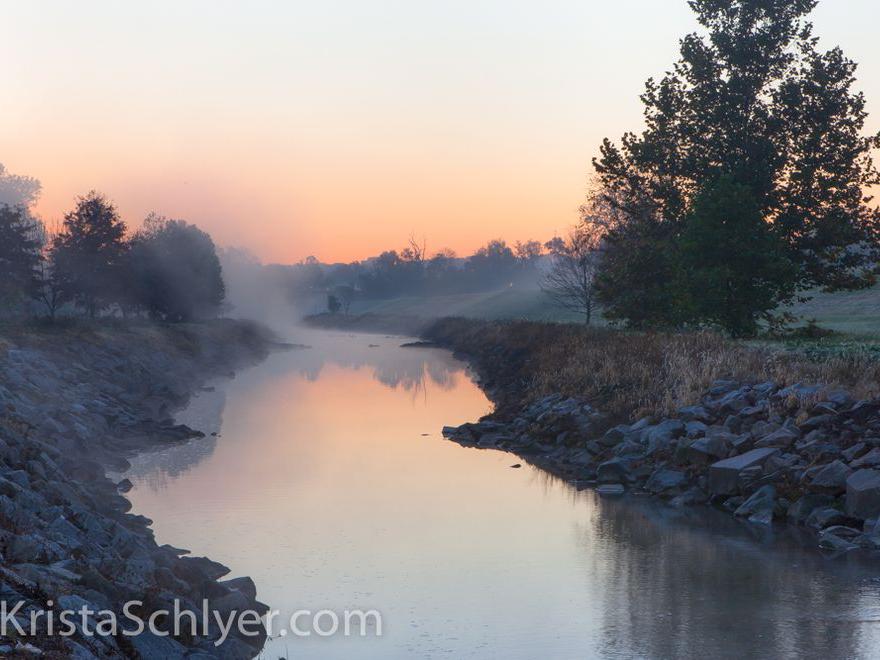


 Photo
Photo
The's obituary
We are overwhelmed with joy and gratitude when we reflect on such a beautiful, precious, and iconic river. The Anacostia River Watershed majestically served as home to over 188 species of birds, nearly 50 species of fish, an assortment of rodents and small mammals, and seamlessly connected the peoples of both D.C. and Maryland with nature as a whole (Anacostia Watershed Society). The Anacostia, which eventually fed into its larger neighboring sister river, the Potomac, stretched an impressive total of 8.7 miles long, covering portions of the District of Columbia and Prince George’s and Montgomery Counties in Maryland (Anacostia Watershed Society). As fate would have it, the Anacostia River lost its long-standing battle with human development and establishment on Sunday, July 14th, 2035. The lives she touched before her demise, however, were innumerable. As we grieve the loss of yet another natural gem as a result of deliberate indifference to non-human life, we must remember to celebrate the manner in which the River positively impacted nearly every being that came in contact with her.
The Anacostia River got its name from the Nacotchtank Indian word anaquash, which translates to “village trading center” (Anacostia Watershed Society). It is estimated that this Native American group lived and relied on the river for over 10,000 years (Beurger). When the first Europeans arrived, however, over-development and rapid industrialization depleted the Anacostia’s natural resources – clearing its wetlands, clogging its banks, and dumping billions of gallons of pollution and raw sewage in the water (Heimbuch). Once a source of pride for the District, the Anacostia gradually transformed into a barren, forgotten wasteland, acquiring the “Forgotten River” as its nickname.
Unfortunately, the Anacostia struggled to relieve itself of its degrading title, reflecting the Anacostia’s larger struggle to gain recognition as a living entity. Not only had DC residents become indifferent to the well-being and health of the river; lawmakers also adopted and promoted policies that disregarded the Anacostia and its inhabitants – reiterating how a river can prove to be forgotten. As time progressed, conditions went from bad to worse. Despite legislations lack of concern regarding environmental issues facing the Anacostia, the biggest challenge to implementing a comprehensive cleanup plan has been residents’ indifference to the river’s health (Valentine).
After decades, arguably centuries, of inexcusable negligence, humanity began to realize the damage and sought to alter the fate of the River. Much progress was made from 2000 to 2025: plastic bags and Styrofoam cups were banned by local governments to combat heavy river pollution; sewage systems were updated to prevent raw-sewage accumulation, overflow, and runoff into the river; organizations such as the Anacostia River Society and EnvironmentalJustic joined together to establish new means of raising environmental awareness and promoting eco-friendly solutions to political and social conflicts. While these efforts are praised, as many of the individuals behind such movements were whole-heartedly devoted to improving the dire condition of the Anacostia, they came too late for the river.
Extended periods of concentrated pollution and exploitation of the Anacostia played a considerable part in contributing to the river’s demise, but the river ultimately became forever forgotten after the DC government decided to build a new freeway that ran parallel to and cut through the watershed. The freeway, which was approved in 2022 and opened in 2027, destroyed several acres of parkland along the river and subjected the Anacostia area to increased traffic, air pollution, runoff and noise (Earthjustice). At this point, the River had already undergone do much and could take no more.
• Deliberate indifference – Noted in a July 26, 2011 court case filled by Environmental Justice versus the US Environmental Protection Agency, DC, and Maryland; Judge Royce Lamberth
On July 14th, 2035, the Anacostia River was no more. The District of Columbia, Prince George’s, and Montgomery County governments made the decision to permanently drain the river to prevent the high levels of mercury, led and PCBs from spreading throughout the city. Well before the the river was officially drained, the Anacostia lost its capacity to sustain life – including the species that lived both in and around the river. Though a tragic date in environmental and ecological history, the Anacostia herself remained hopeful up until her draining that there was hope for a better tomorrow. Communities undoubtedly fare better economically when they protect and value rivers, and make healthy spaces for wild species, but [this] is not always the easy decision (Schlyer). We must actively continue to fight to bridge the gap between humanity and nature in order to prevent future instances of environmental injustice.
The Anacostia River leaves behind its direct inhabitants: the White Perch, Beaver, Heron, Otter, Egret, Osprey, Redfox Cormorant – all who have so admirably offered themselves to stand in as pall bearers to carry the few uncontaminated sediments that settled at the bottom of the Anacostia after its draining; an assortment of other mammals, birds, reptiles, amphibians, and fish that inhabit the watershed, including DC’s official fish, the American Shad; several allies, including: the Anacostia Watershed Society, represented here today by it’s President James Foster; Environentaljustice, represented today by one of its most dedicated attorneys, Jennifer Chavez; the Anacostia River Tunnels Project; the Clean Rivers Project; current Pope of the Catholic Church and dedicated environmental activist Pope Francis; and special, long-time friend Krista Schlyer, founder of the Anacostia River Project and award winning photographer and writer who focuses on conservation, biodiversity, and public lands (Schlyer).
 Send to someone
Share this obituary with others
Want to stay updated?
Get notified when new photos, stories and other important updates are shared.

Send flowers
Share your sympathy. Send flowers from a local florist to The's family or funeral.

Send flowers
Share your sympathy. Send flowers from a local florist to The's family or funeral.
Share this memorial website


How you can help
 Share with others
Created with love by
Kaela Jackson.
