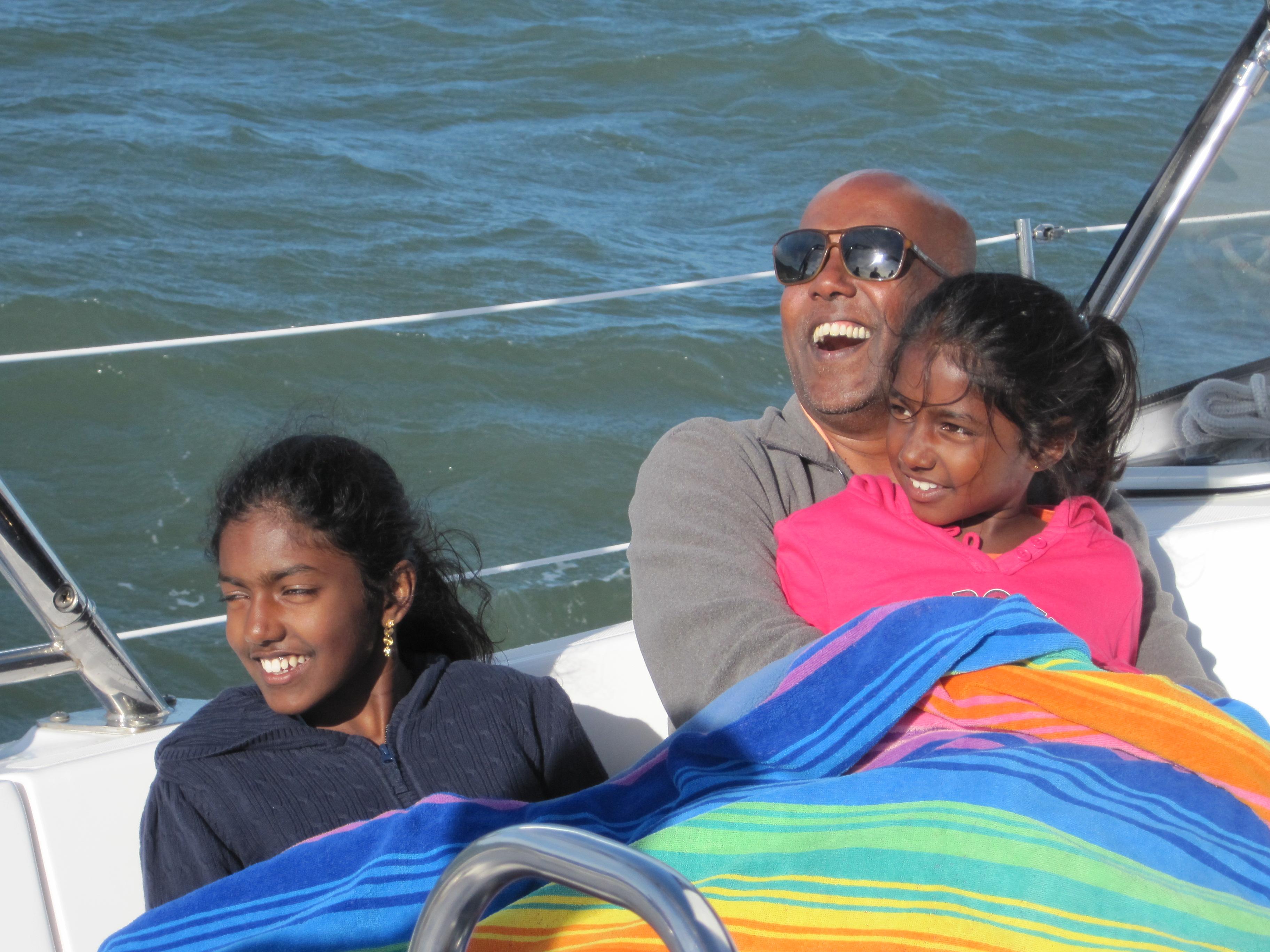
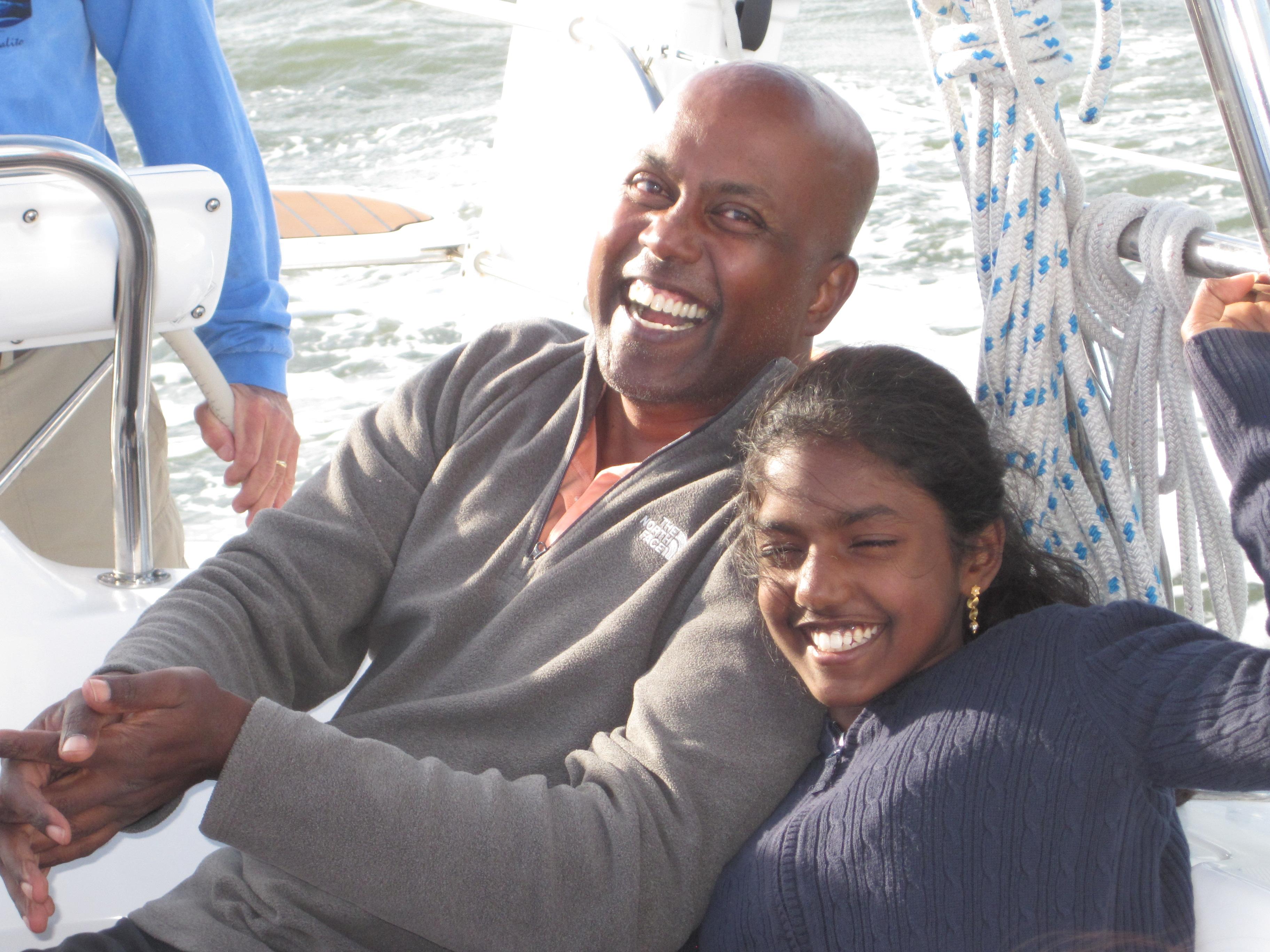
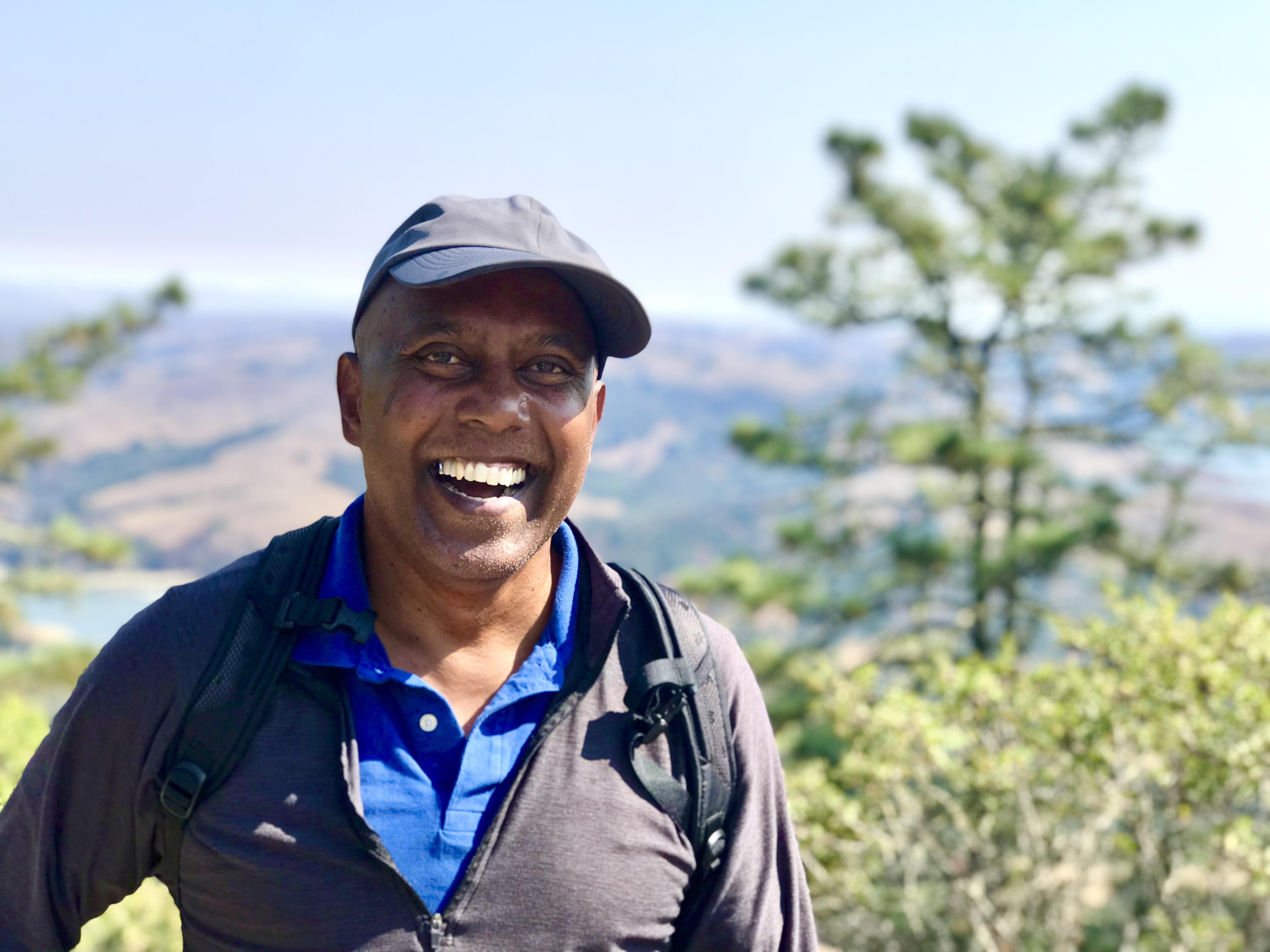
Suku was intense. The embodiment of “work hard, play hard”. He was an electric stun gun of infectious joy. I don’t smile. Not usually, and not with teeth. He could summon that on sight. And then sustain it over the course of hours, without effort.
Though he was an engineer by training, his humanistic and aesthetic flair was always evident. He could go deep on any number of subjects, and had tremendous recall of facts, figures, and quotes from apparently all the books he read and films he watched. You could be sure that his contributions as a conversation partner were not only considered but also buttressed by a mountain of research that he had personally synthesized.
Suku’s perspective was uniformly broad, optimistic, and practical. No challenge was too great; no curiosity too small; opportunity was everywhere. And once he had a declared an objective worthy and placed it in his sights, he was intentional, methodical, and ultimately successful in its pursuit.
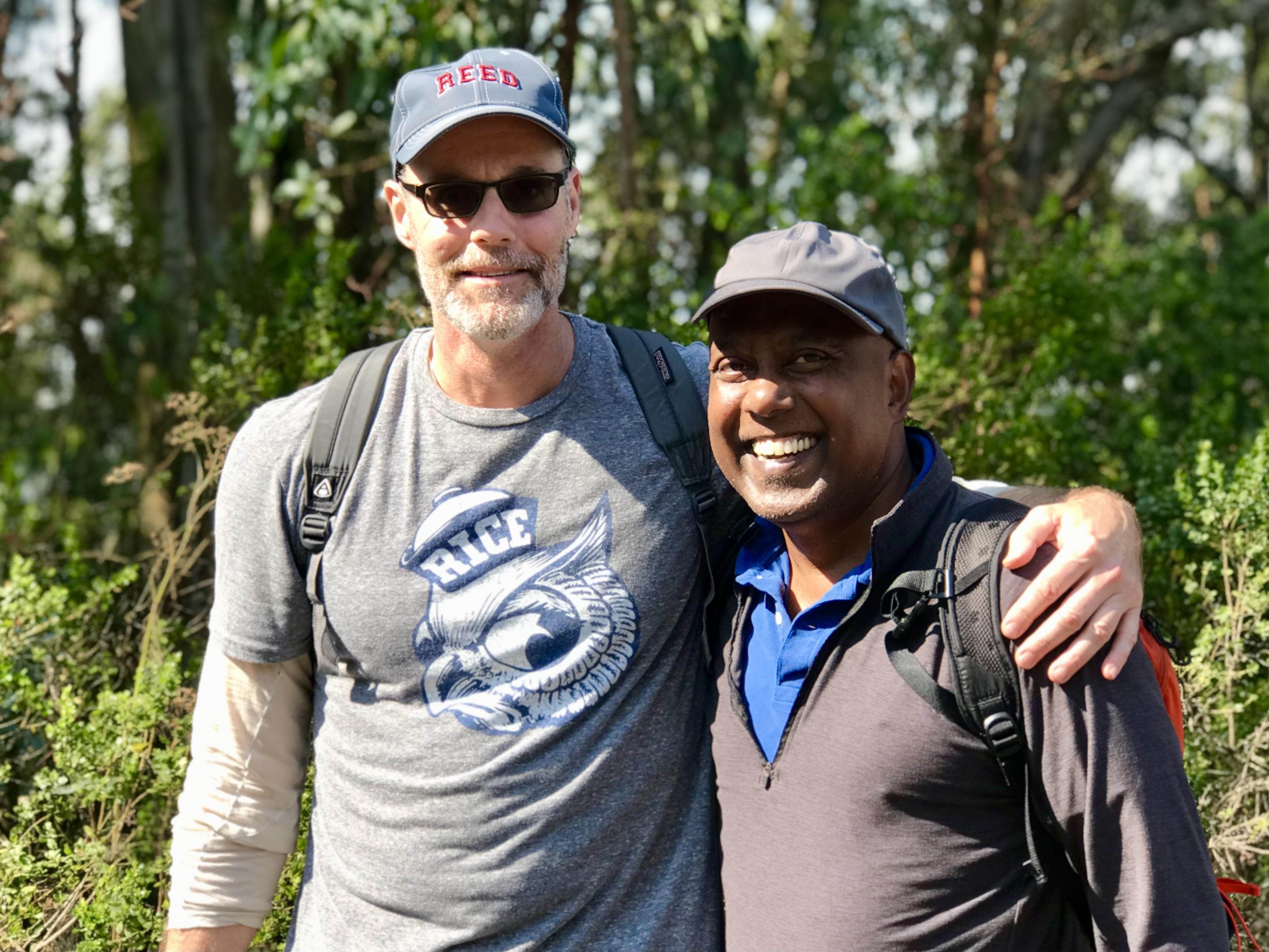
I met Suku 39 years ago, when he was my resident advisor in college. It turned out to be the semester I would drop out. Suku was the star of the dorm, his laughter ringing throughout and drawing people into the community. I do not kid myself that I was special in hitting it off instantly— everyone did; he had that kind of charisma. I loved that he was doing his master’s degree at the cross-town rival and chose to live with us, that he ran, and that, despite being an engineer and computer scientist, he knew about philosophy and literature and film and art. And he had a love and appetite for food that matched my own.
We ran together between East and West campuses, sometimes the two of us, sometimes in a pack, Suku like an entirely benign Pied Piper leading us in laughter and sweat. As a struggling sophomore trying to find my way, Suku was always ready to lend his ear and counsel. While enormously disciplined and respectful of rules, he was incredibly sympathetic towards me, practicing a kind of Solomonic justice by allowing me to have a cat in my room midway through the semester, a direct contravention of university policy. Boris was a totem in the dorm for 2 months and a treasured family member for the next 19 years.
I took a leave of absence at the end of that semester and might never have seen Suku again. Instead Suku mounted a letter writing campaign, his distinctive Kannada-inflected penmanship, literary musings, and genuine concern bringing delight on their arrival and eager anticipation of his next missive. That next Spring Break he orchestrated a caravan of half a dozen who would descend on my parents’ house for a week, not only to rescue me from any lonely wallowing that might be happening but also, cleverly and thankfully, to cement my intention to return to campus the subsequent fall.
Suku was that guy. High-bandwidth, high-throughput, and high-fidelity. Flesh and blood fiber optic petabyte interpersonal communication before we even knew or cared that was technologically possible, and whose flesh and blood incarnation we need now perhaps more than ever. The fact that he had the capacity to touch so many so deeply — that my story, while as unique as we all are, is not solitary — speaks volumes to his integrity, zest for life and companionship, immense caring for those with whom he connected and, amazingly, his ability to do so deeply and specifically with each of us.
Great authors and artists are great not just because they elevate our own sense of self, but because they enhance our sense of human possibility. Suku was a relationship artist; that is abundantly clear in the outpouring of grief, affection, and gratitude for his friendship. In my case, this was evident over the decades through our correspondence, milestone celebrations, impromptu visits whenever possible, and the mutual comfort that easily survives longer periods of silence when a deep bond is felt. He always made me feel better, not just about myself or about him, but about the fact that such relationships can and do exist.
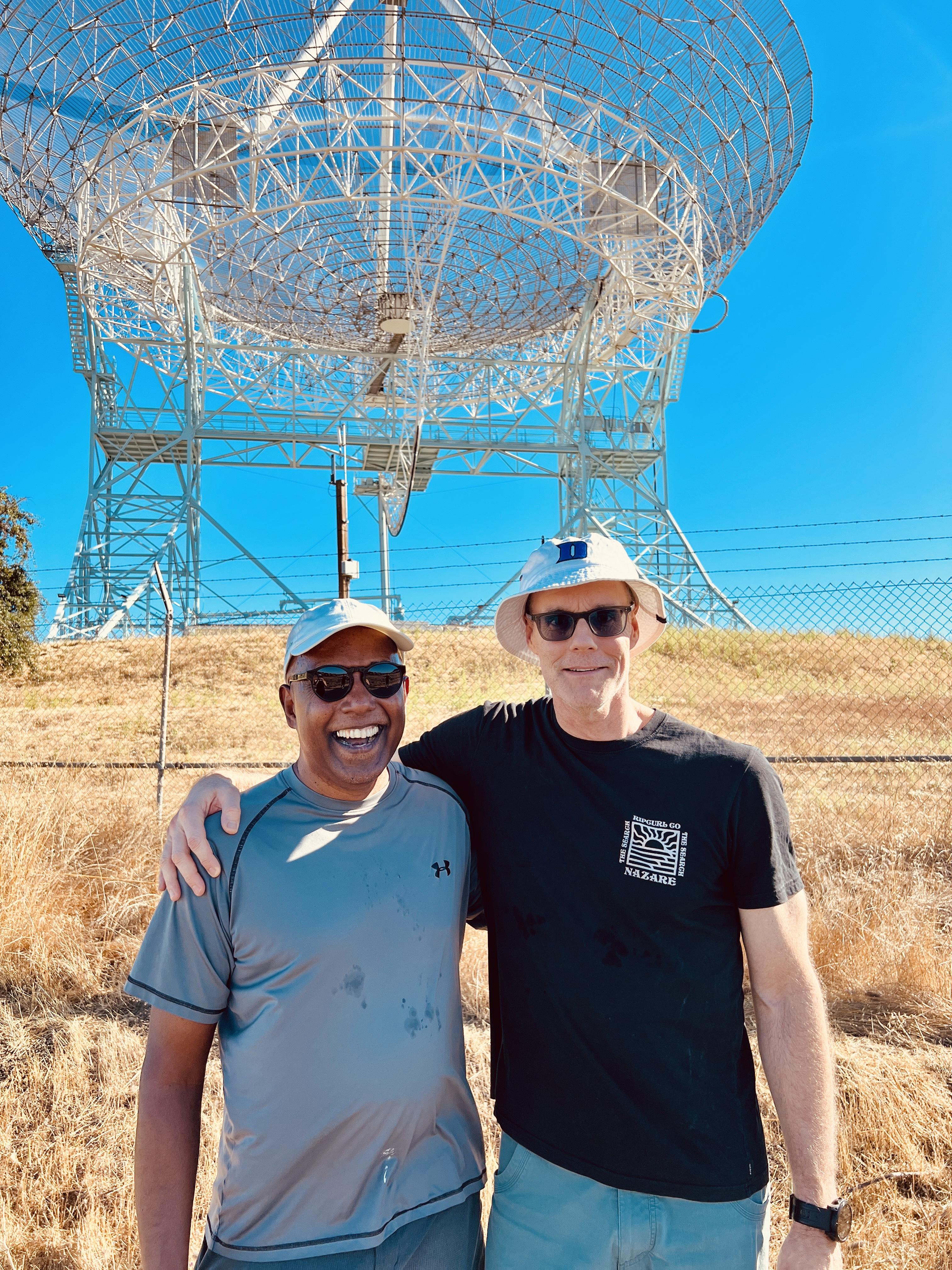
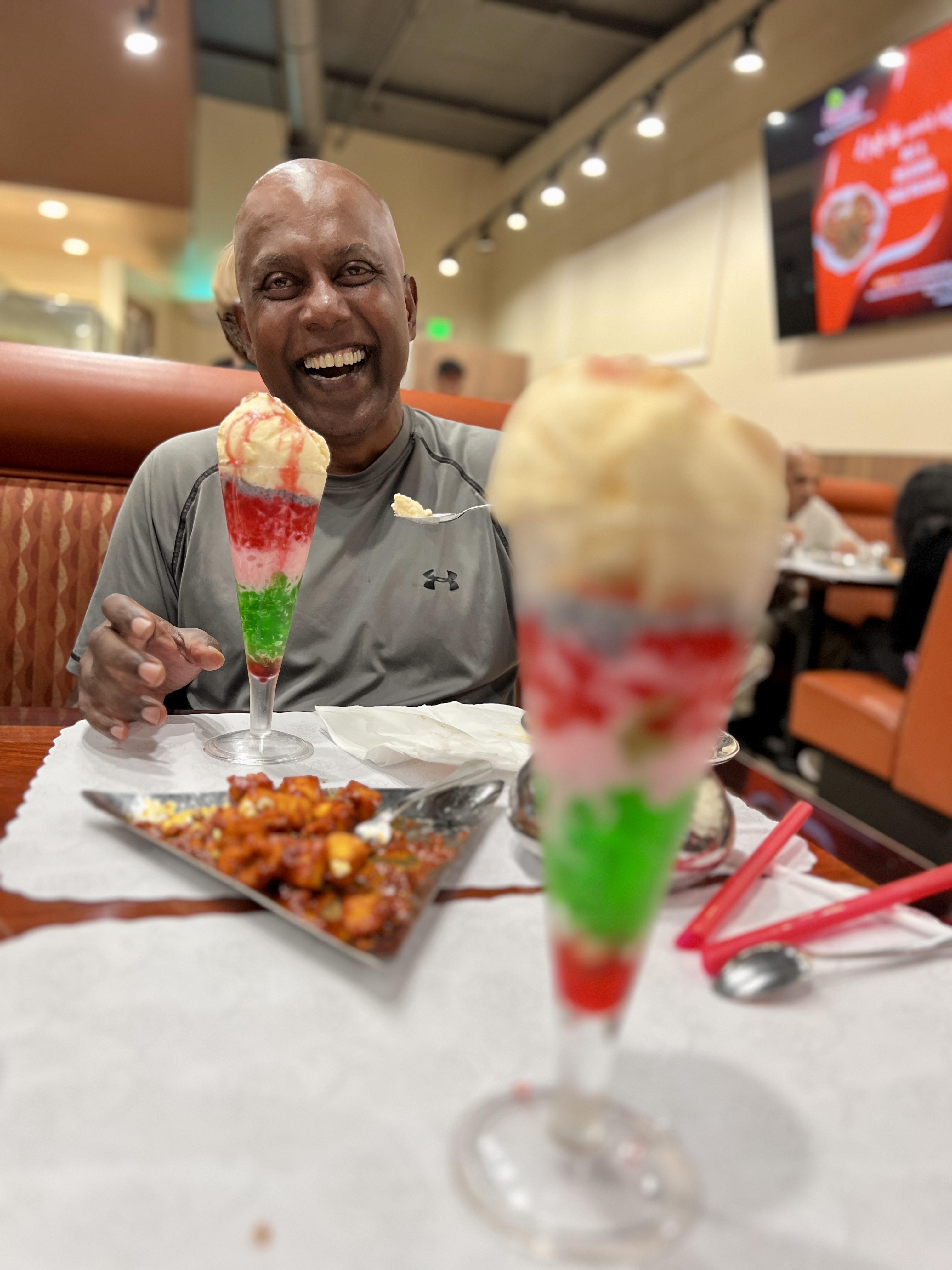
We mourn the loss of Suku in space and time, but as we are ourselves are shaped by our connections to each other, he has indelibly left himself on and in each of us. I miss my friend and it hurts that I won’t again see his smile, hear his laugh, share a meal with the requisite, “diabetes-in-a-glass” dessert, or walk around the Dish by his side. But I will continue to carry his memory and his mark in attempting to see, experience, and leave my own mark on the world as brightly and joyously as he did. To do so, however faintly, would be a fine tribute to the man.
Love,
Michael

















 Share with others
