

We will send an invite after you submit!
In memory of
Mr. Michael "Mike" William Allen, Corporate Executive and Real Estate Broker
1947 - October 13, 2023
1947 - Oct 13, 2023


-
-
-
-
-
-
-
-
-

In lieu of flowers
Please consider a gift to St. Jude Children's Research Hospital, The Village of Hope or American Center for Law and Justice -District of Columbia.


In lieu of flowers
Please consider a gift to
St. Jude Children's Research Hospital, The Village of Hope or American Center for Law and Justice -District of Columbia.
$1,000.00
Raised by 9 people


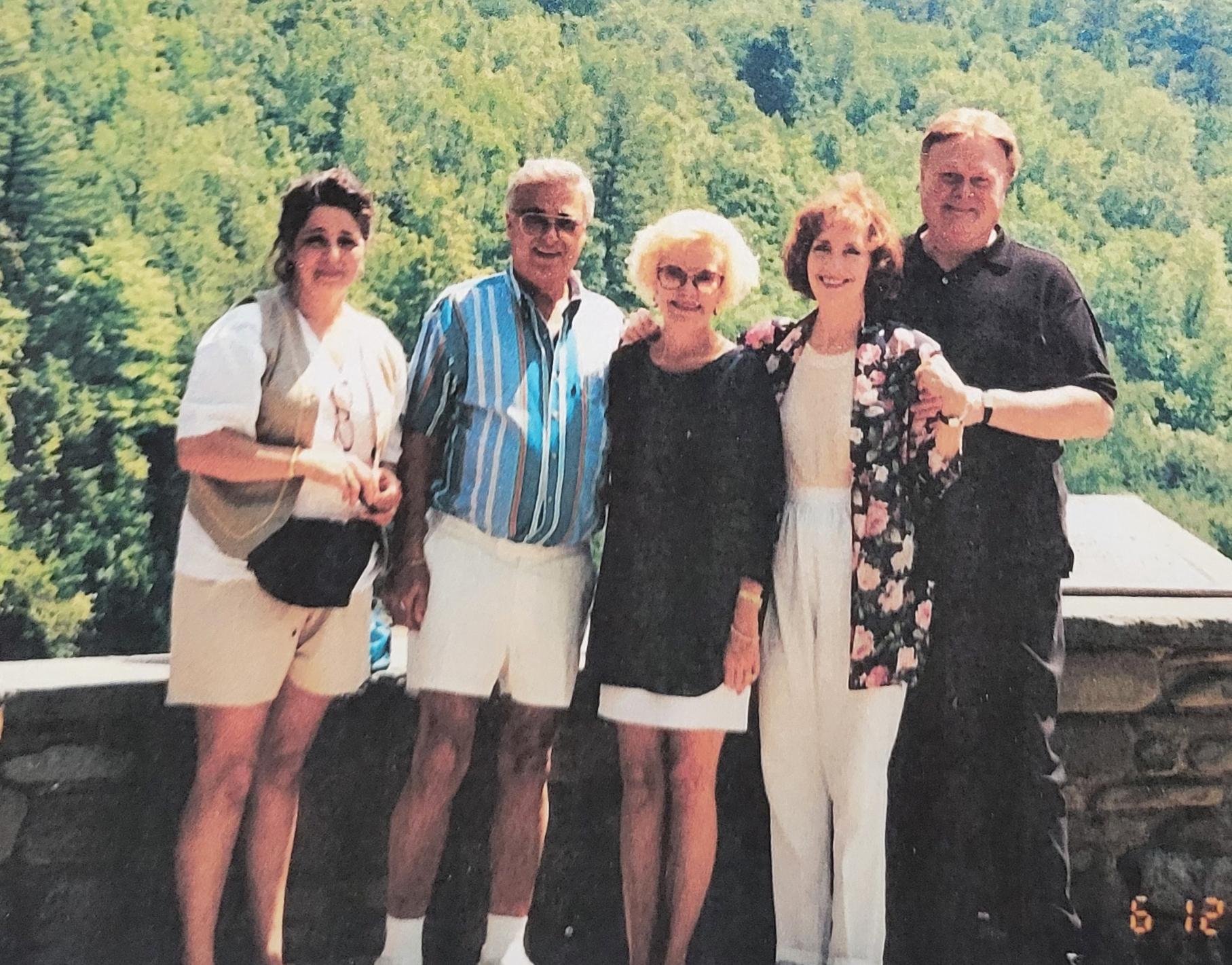
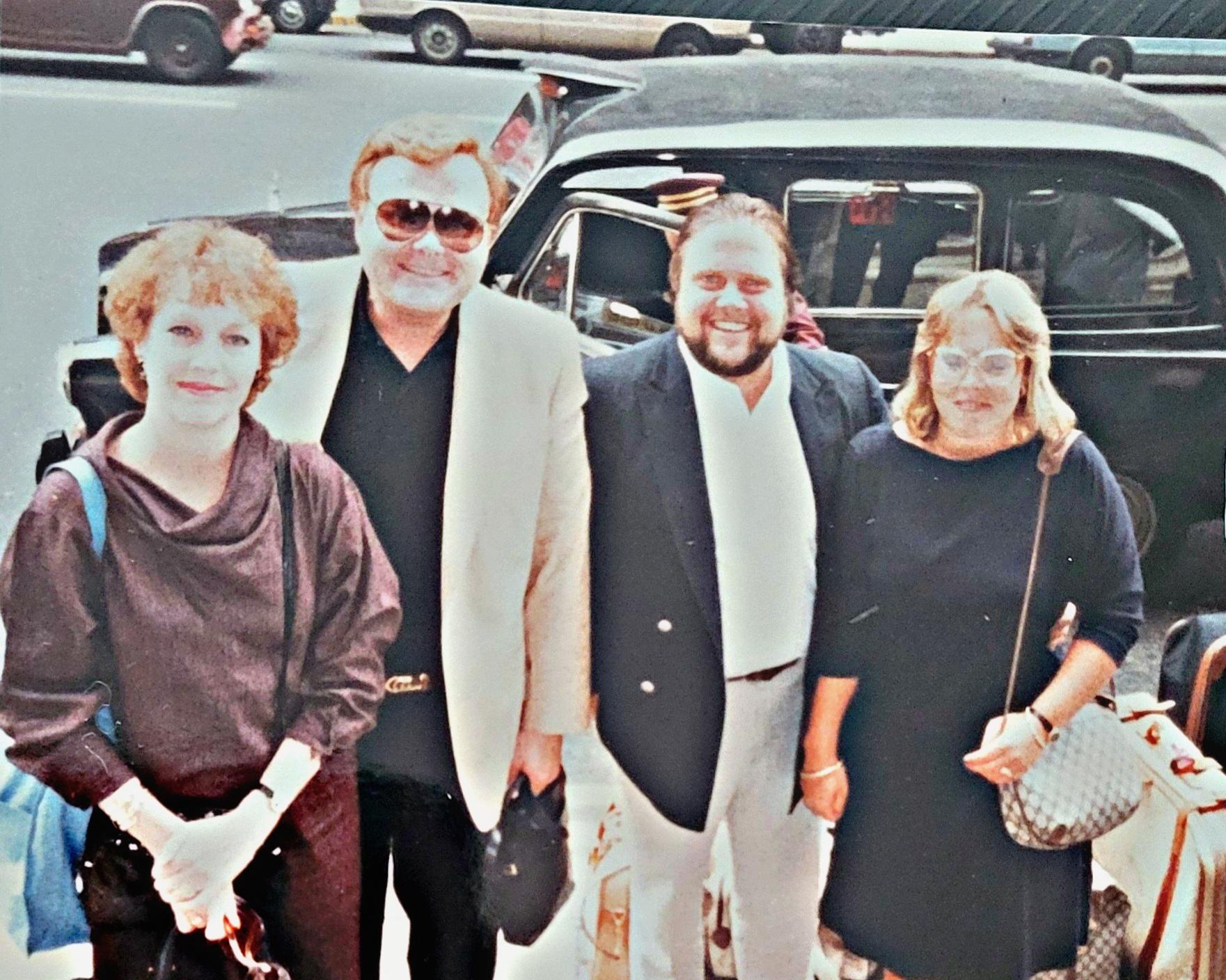

In response to "What made Mike different from most people you know?"
 0
0


Louie Bossi's Ristorante Bar Pizzeria, East Palmetto Park Road, Boca Raton, FL, USA
1
2

Louie Bossi's Ristorante Bar Pizzeria, East Palmetto Park Road, Boca Raton, FL, USA


Want to see more?
Get notified when new photos, stories and other important updates are shared.
Recent contributions

In lieu of flowers
Please consider a gift to
St. Jude Children's Research Hospital, The Village of Hope or American Center for Law and Justice -District of Columbia.
$1,000.00
Raised by 9 people
Recent contributions
Recent contributions
Share this memorial website


How you can help
 Share with others
 Donate in memory
Created with love by
Bill Allen (Mike's brother) and
Jody Allen (Mike's sister).
