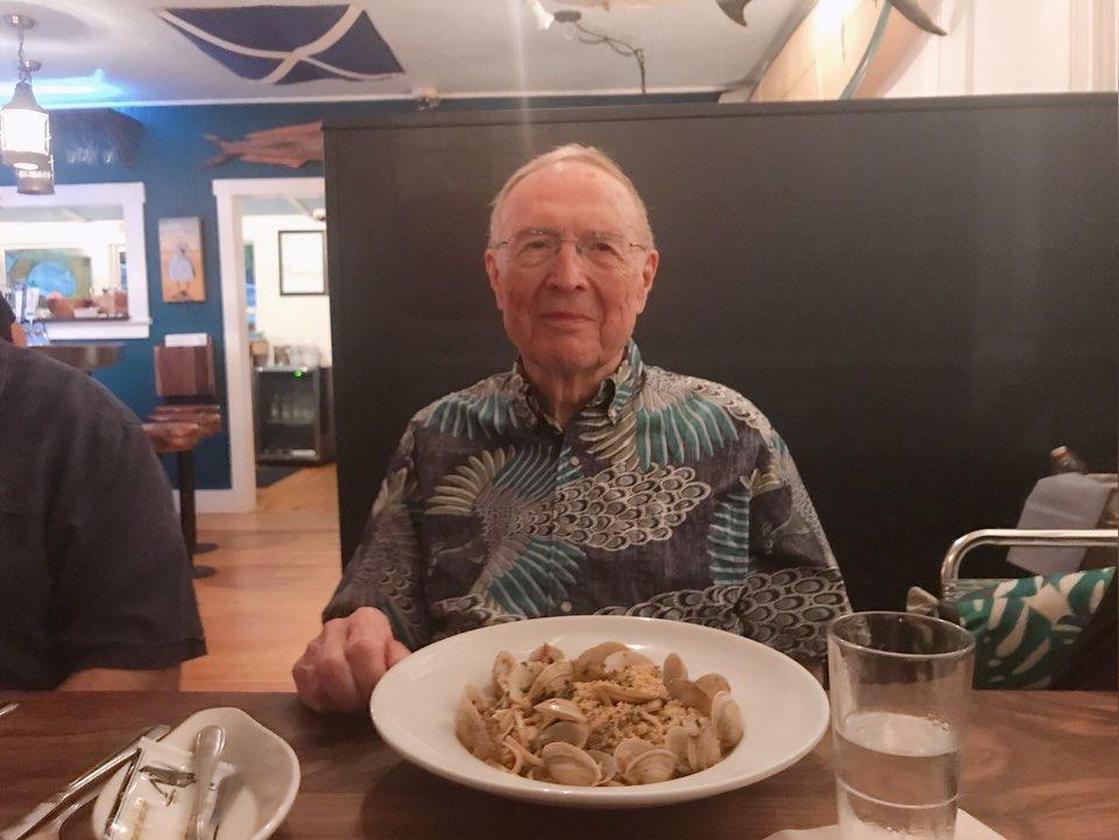
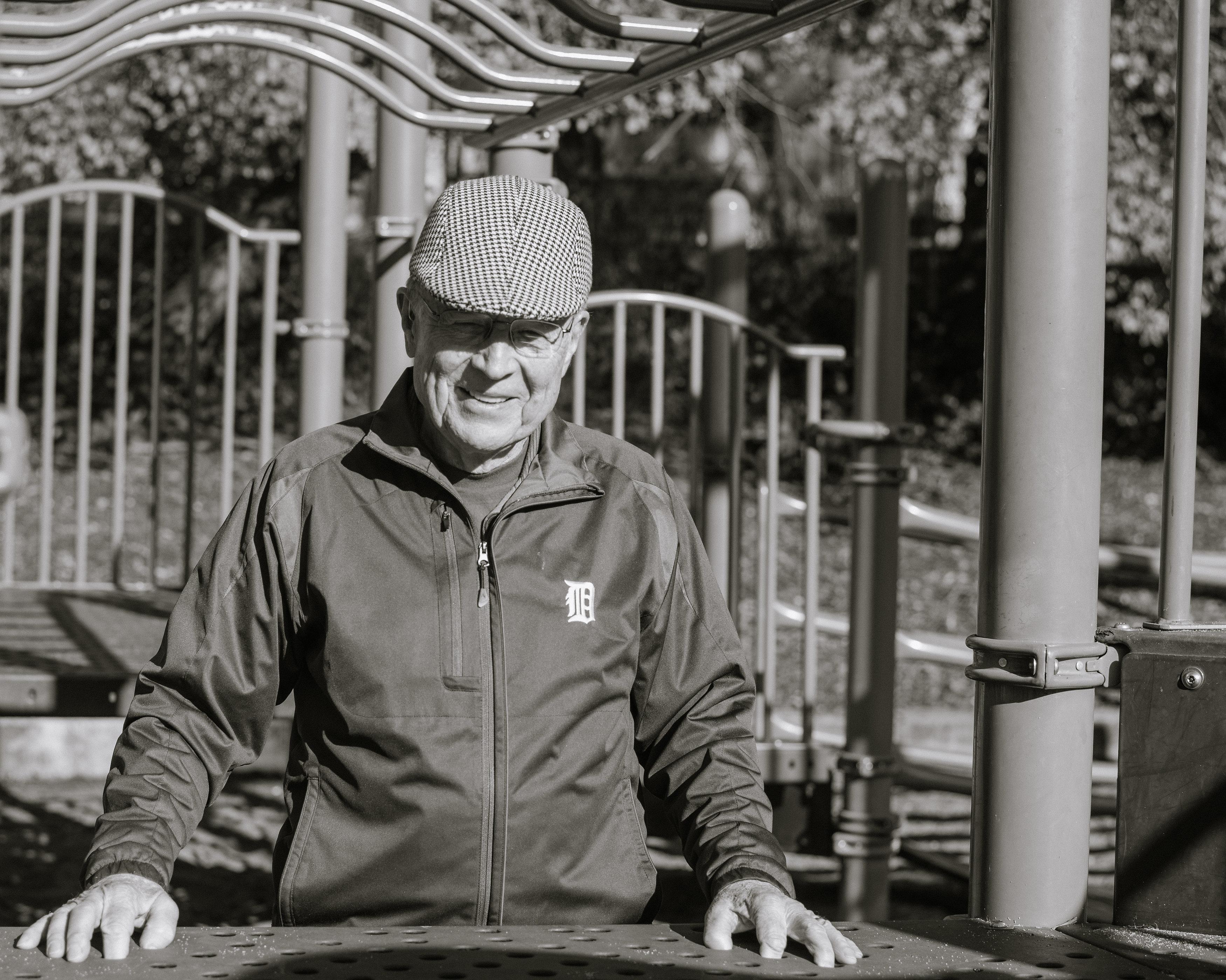
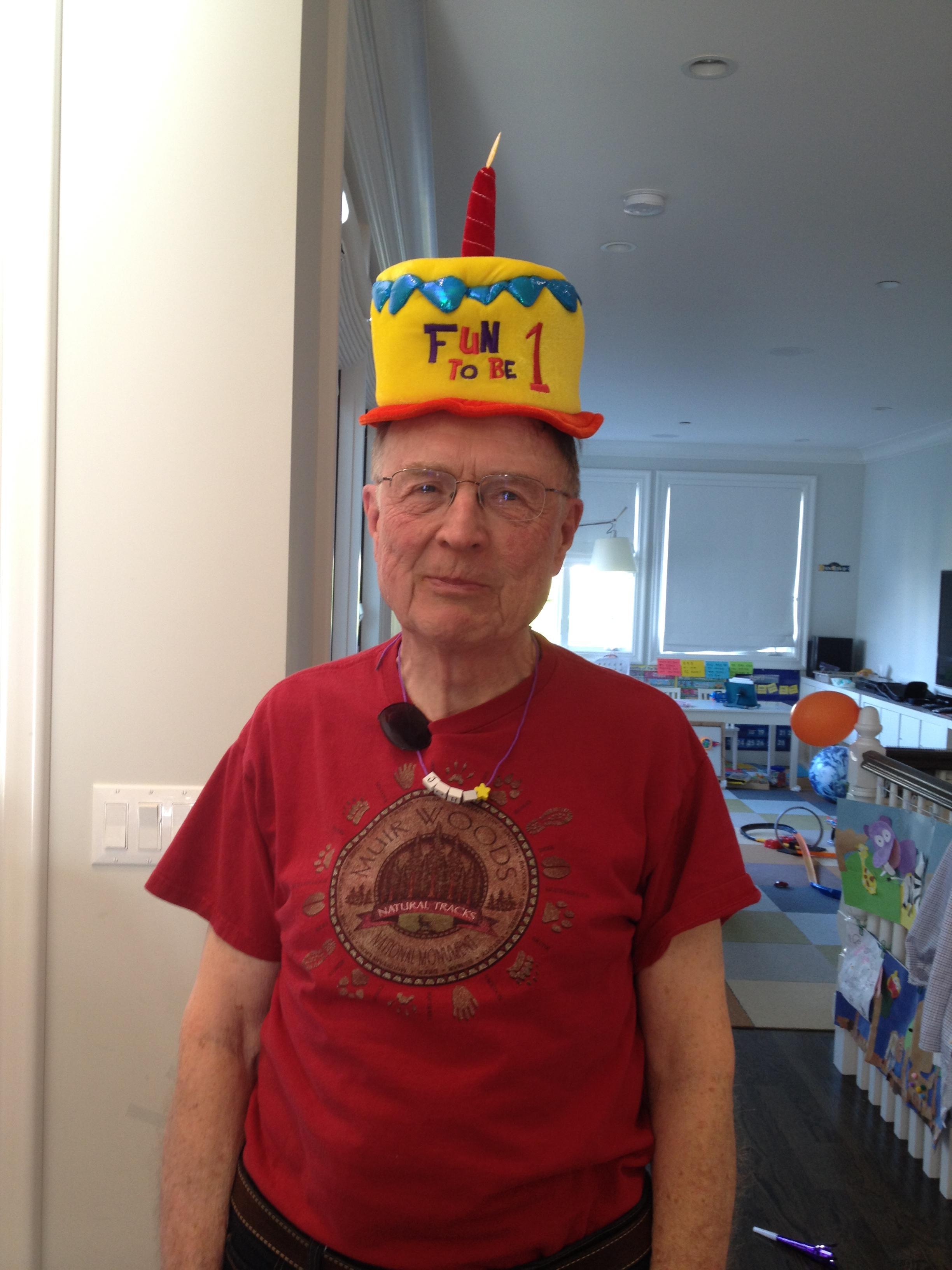
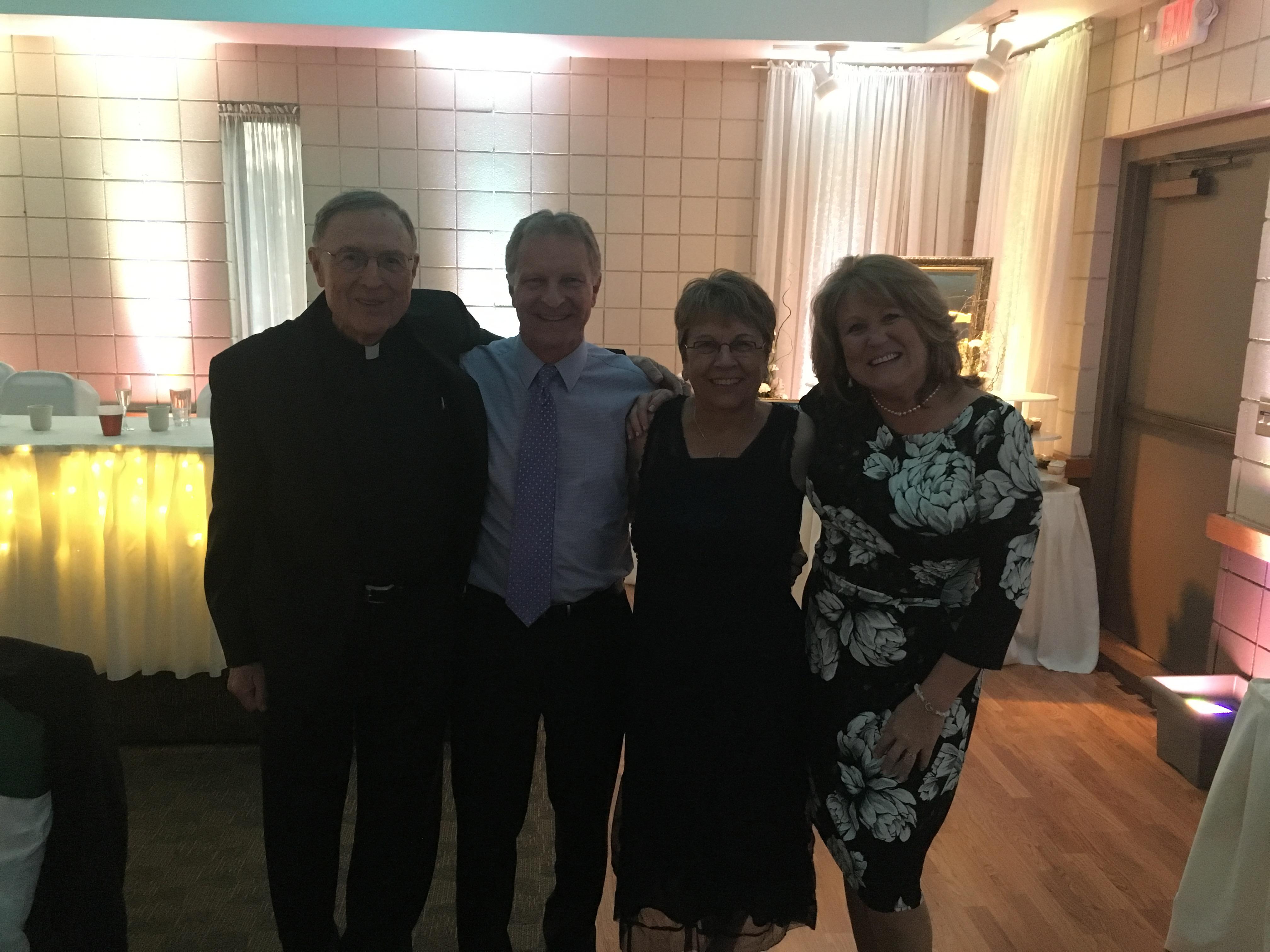
In July 2020, an extraordinary human being passed. His name was John Franklin. He was 85. I met John in 1961 when I was 7 at our parish grade school and he was 26 - a newly ordained minister from the farm fields of Illinois by way of the Pontifical North American College in Rome, serving as Assistant Pastor at our parish. As a first grader, I was impressed by the kindness of "Fr. John" who served the people of our parish for four years. I was not to meet him again until 45 years later - in 2010 - when I organized a reunion of the (then) grade and high school kids from our parish. These last ten years, John and I were great friends. John's last message to me, shared by his wife Cheryl from his hospice bed at home was .. "tell Michael that I love him".
I was blown away.
We say "I love you" to our spouses, our children, our parents, our grandparents. Even sometimes to close friends. But what this love that John had for me? I had seen him only once since 1965. It wasn't a romantic love, nor was it, exactly, a familial love. What was it? Where did it come from? And what did it share, if anything, with the unconditional and unyielding love which caregivers grace family members and friends who are battling a severe illness?
John was a farm boy and a Roman Catholic priest, an assistant pastor, and a campus minister. He became a clinical psychologist. He was a husband and a father. He was a university professor who taught generations of clinicians how to help those struggling with addiction. He was an Episcopal priest. He was a grandfather. I was fond of calling him Father Father Counselor Husband Doctor Professor Grandfather Father John. Beyond all of these things, John was kind. At his wake, his wife Cheryl commented that he didn't have a judgmental bone in his body.
When I reconnected with John in 2010, he wrote, “I’m still the same cockeyed optimist I was at age 26. I still have this naive belief in the goodness of people and their ability to love if they will just trust. I hoped I conveyed that then - because I believed it.”
John wrote about and practiced love. A love of nature. A love of struggle. A love of fun. A love of wondering. A love of questioning. A love of not knowing. A love of discovery. A love of humanity. A love of God. During his hospice, Cheryl said that he was so excited about finally learning what "came next".
John's definition of love: “an excitement over and a caring for everything which is good - and that is most things. Granted that’s an ideal and it sounds like an enormous and overwhelming job. We can only do what we can do. Notice, however, I am not talking about love as a fuzzy feeling; I am talking about love as action, as caring. The feeling will come."
John accepted with open arms and open heart, the alcoholic, the addict, the infirm, the ill, those unlike him, those struggling, those suffering, those falling, those failing, those who had faith in God by a different name or no name and those without any faith at all. He did not 'hate the sin but love the sinner', as so many preach and teach. Rather, he loved 'the sinner' all the more because he knew that it is impossible to hate the part but love the whole.
John accepted all. He was kind to all. He exemplified and practiced exactly the kind of love that those with a serious life challenges so desperately need from spouses, parents, siblings, friends, and neighbors. Because in that very acceptance and kindness, in that acceptance and understanding of our faults and failings, the most noble and the most loving of all is to believe and accept that whatever or whoever we call God (or not). We were created imperfect and love is found and practiced in acceptance and kindness as we reach toward the unconditional and unyielding perfection of love, for we are all part of each other and each is a part of us.
I learned from John at ages seven and sixty-seven. He was kind and I loved him.
















 Share with others
 Donate in memory
