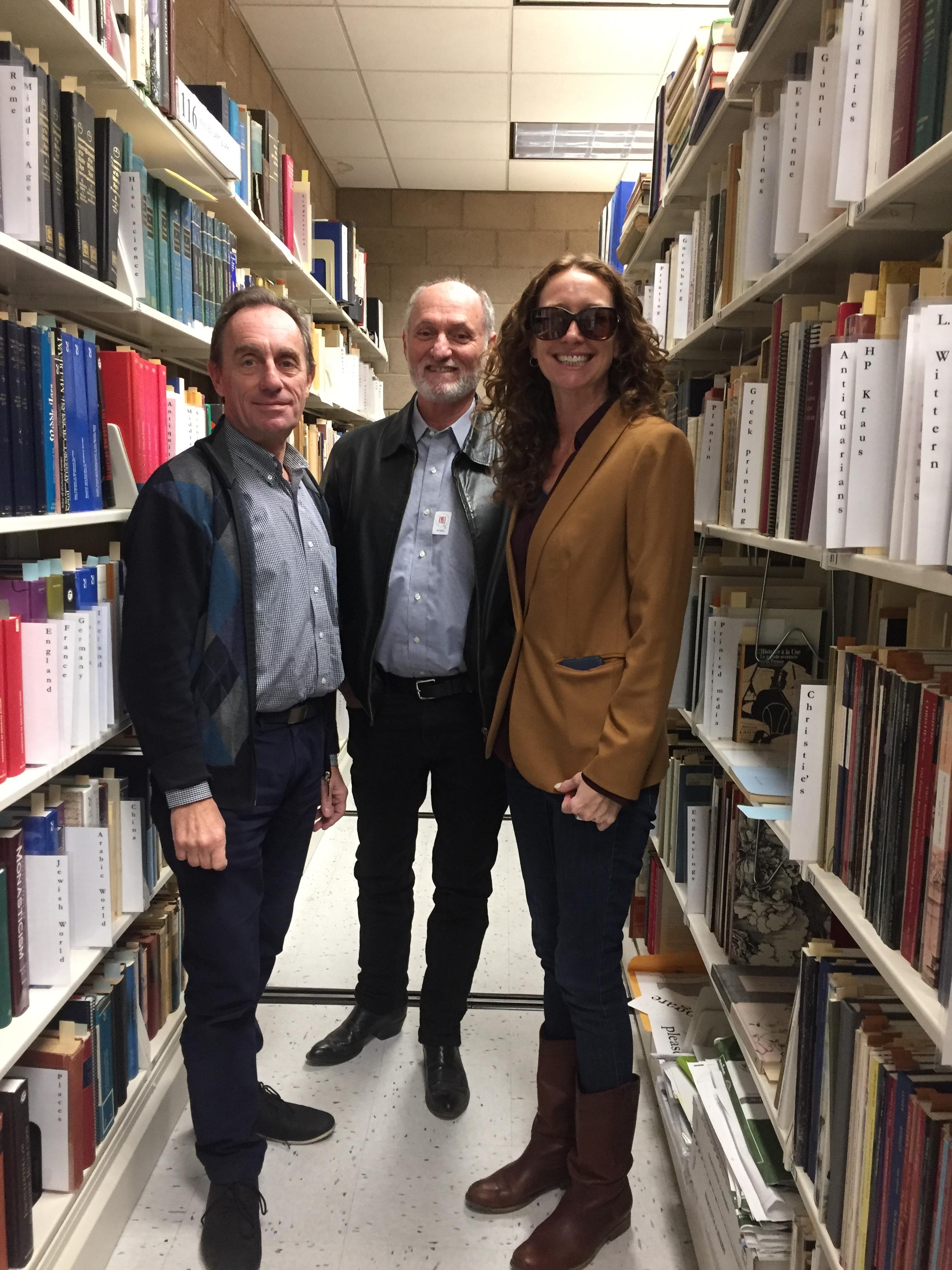
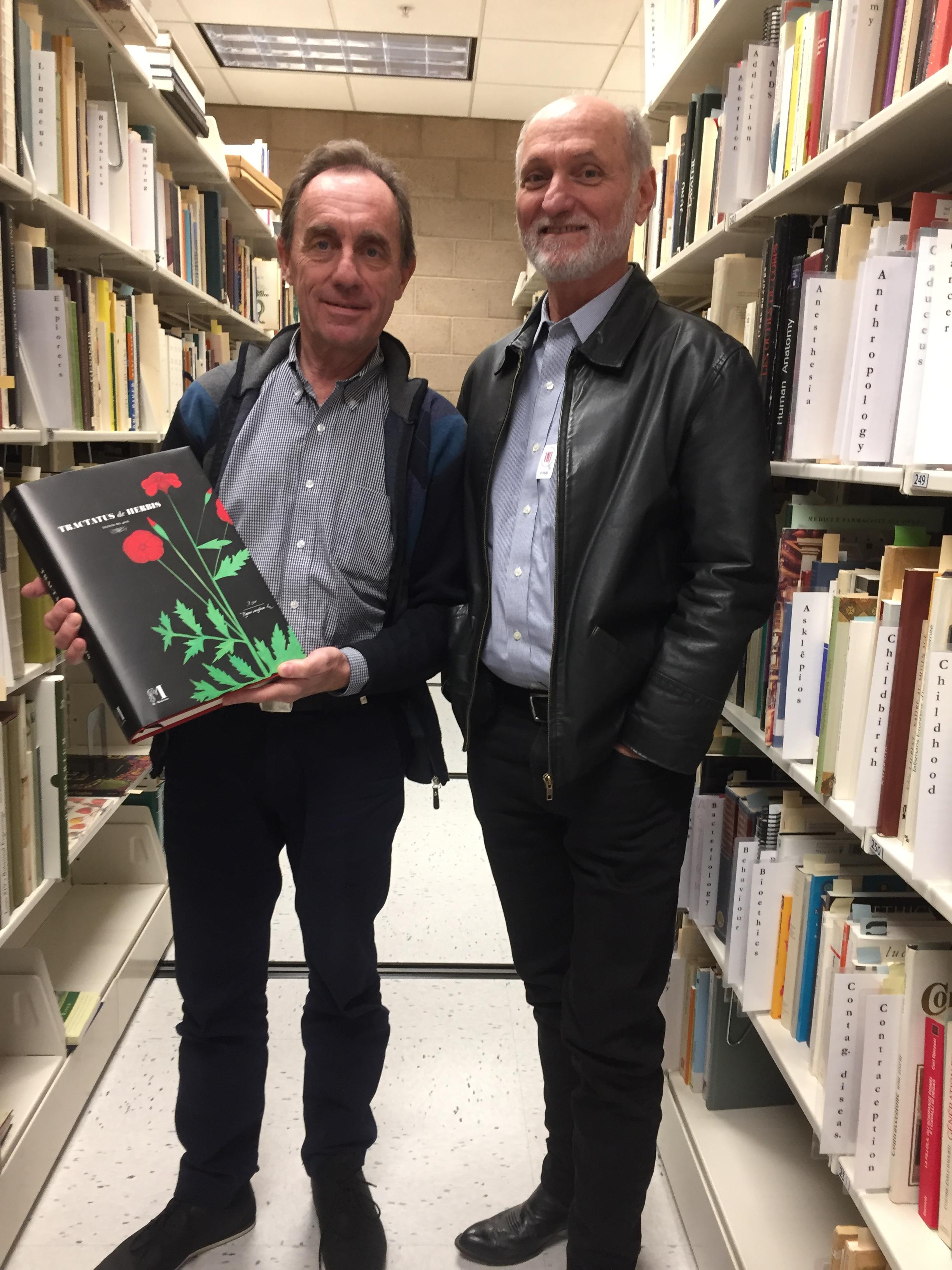
I won't be able to attend the August 31st remembrance in person and thought I should share the lightly edited transcript from a short talk I gave about Michael at the AHPA membership meeting at the EXPO West trade show on March 4th earlier this year. It is as follows.
This will be personal. As with most things with Michael, his hiring me was a result of a process. I got the call driving back from taking a tactical pistol class after my corporate position was eliminated. Because what else do you do after something like that but take up a hobby? Michael told me that Joe Betz was leaving AHPA and asked who should fill the position of AHPA's science officer. We discussed a few names, mine included, and kept the conversation going.
Michael had reservations about hiring me because of strong opinions in support of my previous employer. And always valuing the opinion of others, he expressed his concern to Joe, and Joe replied that my focused representation for my employer would carry over to AHPA. And 23 years ago, just before this Expo, I accepted the position.
Out working relationship was professional. Michael supported my engagement at AHPA with a keen eye to what would serve the membership during my 11 years as a staff member. Notably, when it was suggested to Michael by a member company that I take up a non-scientific opinion regarding a controversial ingredient, he flatly refused and explained that adherence to scientific rigor was essential to AHPA's reputation.
The strength of Michael's accomplishments resulted from his following processes by which goals are reached. This process-oriented approach continues to be central to AHPA's work and how AHPA’s initiatives start. Ideas surface at the committee or board level before going to a committee, then a working group does the work and reports back to the committee, and the committee recommends it to the board that votes on it. I do not know a lot of organizations that have such a collaborative longstanding process that is now an integral part of how AHPA functions.
Following his openness to seek input, Michael had reached out to me about his health challenges because of an experience I had a few years ago, and I thank the people here for the support that I received at that time. I had the privilege of receiving a call from him asking how I kept my spirit up during particularly difficult times. I reflected on this and responded that partly it was that I had felt that I wasn't done, that I still had things I needed to do, and that I submitted to treatments.
His response that he felt maybe he was done with his work and his takeaway that he should do as he was told, something not easy for Michael to do, I'm sure. I was able to visit him one last time before he stopped treatment and returned home. His last words to me were, see you soon.
I hope not too soon, Michael, not too soon. Since I lived close by, I was able to attend the cacao ceremony in his garden on the afternoon of his passing. There I heard another perspective of Michael, one expressed by his neighbors, longtime friends and relatives.
To show you how different that was, there was a longtime friend there, they called each other Mike. You know that's not possible in his professional career, but in the private sector, it was quite different. So, I was able to express to them a bit of his impact of his professional life, which was appreciated, particularly by his younger brother, Tony, who, by the way, is a spitting image of him.
I'll close with a story that his sister told at that ceremony. About 30 of us were there, and we all got to have a few minutes to speak. She told what I’ll call the cracker story.
He was on the phone with his, I guess his grand-niece, and she was saying she had a garden. And that she grew tomatoes. Michael replied, “I grow tomatoes.”
Just hear Michael saying that. She grew cucumbers. “Well, I grow cucumbers too.” She goes, yeah, well, I grow crackers. “Really? Never heard of that,” he replied.
One day she came and visited Michael’s garden, and Michael said, “you know, I looked up cracker plants, and it's true, they do exist,” just before showing her a garden shrub that he had fixed crackers to.