A Letter from Mirna.
From the moment we first met, I knew Digby was a force of nature—kind-hearted yet fiercely curious, gentle yet driven by an almost endless well of intellectual passion. This July 6, 2025 would be our 40th Anniversary, a life of happiness, despite his accelerated health decline since January this year. On June 11, 2025, the world lost one of its most brilliant corrosion scientists and the love of my life, Professor Digby D. Macdonald, Professor-in-Residence in Materials Science & Engineering and Nuclear Engineering at UC Berkeley.
His passing leaves an emptiness that only his unrivalled warmth and wisdom could have filled.
Digby’s career was nothing short of extraordinary. Before joining Berkeley in 2012, he held professorships at The Ohio State University and Pennsylvania State University, where he directed the Center for Electrochemical Science and Technology. From 1984 to 1991, he led both the Chemistry Laboratory and Materials Research Laboratory at SRI International, rising to Vice President and Deputy Director of the Physical Sciences Division. Across every role, he blended meticulous experimentation with ground breaking theoretical models—most famously, his Point Defect Model for passive films in corrosion-resistant alloys—transforming our understanding of metal space civilization. His keen interest in nuclear reactor safety also produced breakthrough discoveries throughout his productive career.
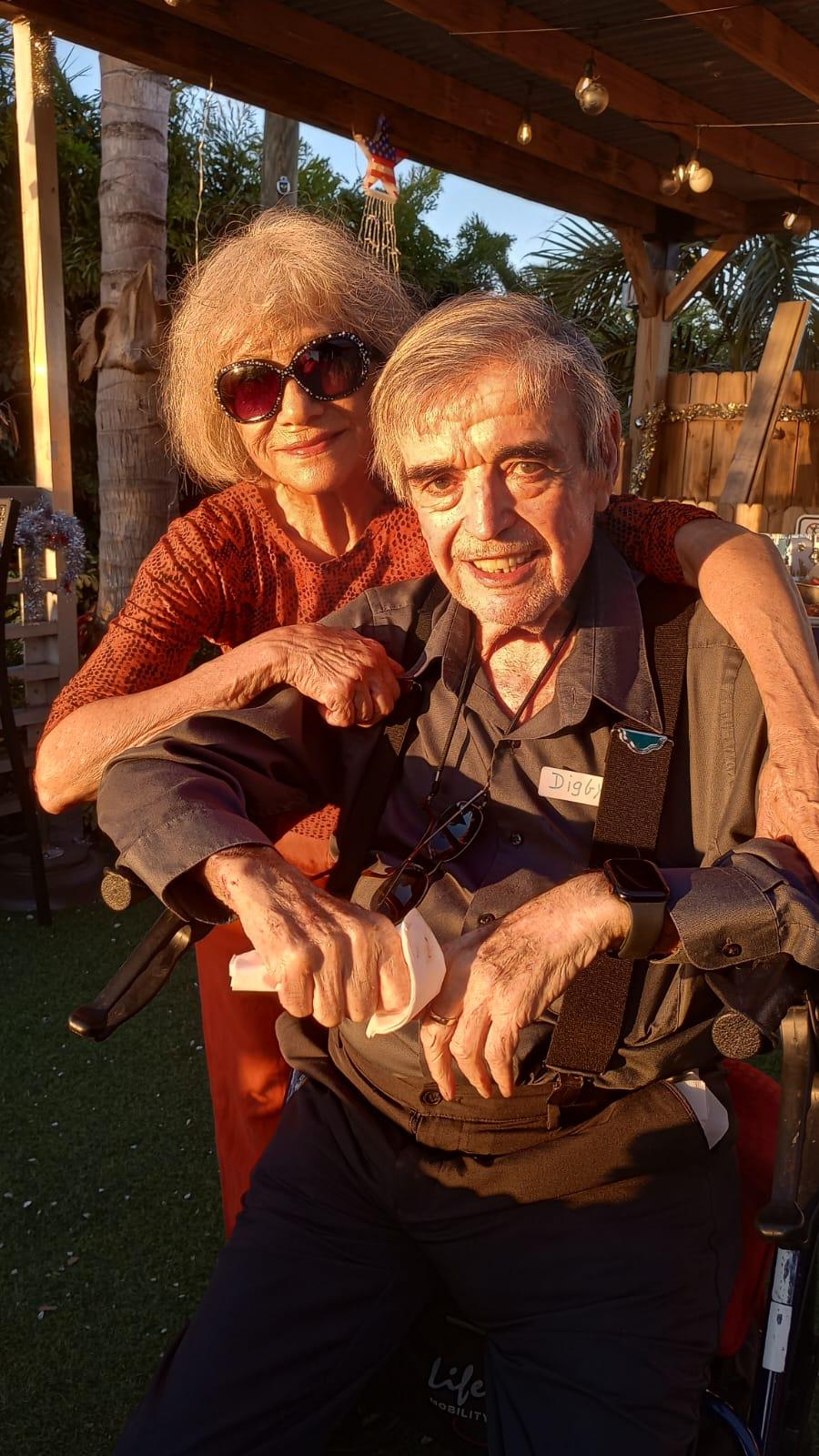
What many didn’t see was how deeply Digby savoured collaboration, especially when it was with me. Of the hundreds of papers he authored, those co-written with his wife were always his favourite. In our home office, evenings were spent poring over data, drafting equations on spare chalkboards, and sharing coffee-fueled bursts of laughter. Those moments—intellectual and deeply personal—are the ones I’ll cherish forever. Our only marital fights (that didn't last too long—he would say we never got to bed if upset with each other, making peace before sleep) were usually based on mathematical equations and the approach to solving a scientific problem!
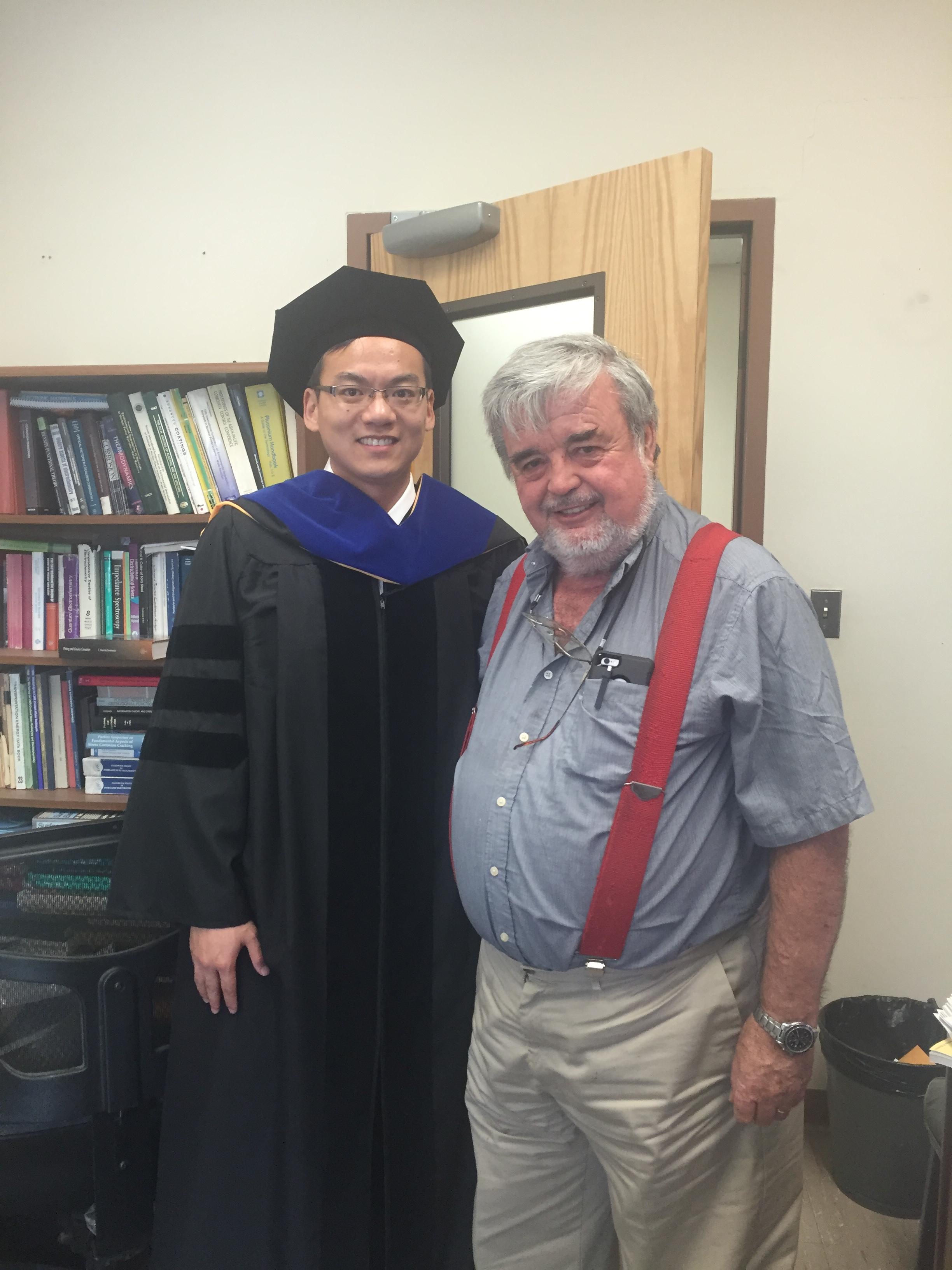
Beyond the lab, Digby served as a mentor and friend to numerous students and colleagues. He believed in lifting others, whether by hosting a late-night brainstorming session, offering a supportive word when an experiment failed, or celebrating every small breakthrough as though it were his own. His generosity of spirit shaped a community of scientists who will carry forward his curiosity and compassion.
His achievements earned every honor available in corrosion science, including the U.R. Evans Award, and even a Nobel Prize nomination—yet he remained humble, constantly turning the spotlight to his team and collaborators. He published over a thousand papers, held four books in his name, and saw his work cited more than sixteen thousand times, but Digby’s most incredible pride was in seeing others succeed.
I miss him in every quiet moment and every spirited debate. Though his seat in the lecture hall and at our dinner table will remain empty, his voice will echo in every discussion about science, integrity, and the beauty of discovery. To my dearest Digby: thank you for a lifetime of partnership, for every whispered idea in the dark, and for teaching me that love and inquiry can be the same. Your legacy lives on—in our children, in your students, and in every scientist who dares to question the world. Digby was very proud of every one of our grandchildren. It made him especially glad to see that several show a scientific curiosity and creativity from a very young age. Who knows what the next generation will bring!
Sleep well, my love. Until we meet again. Mirna






 Share with others
