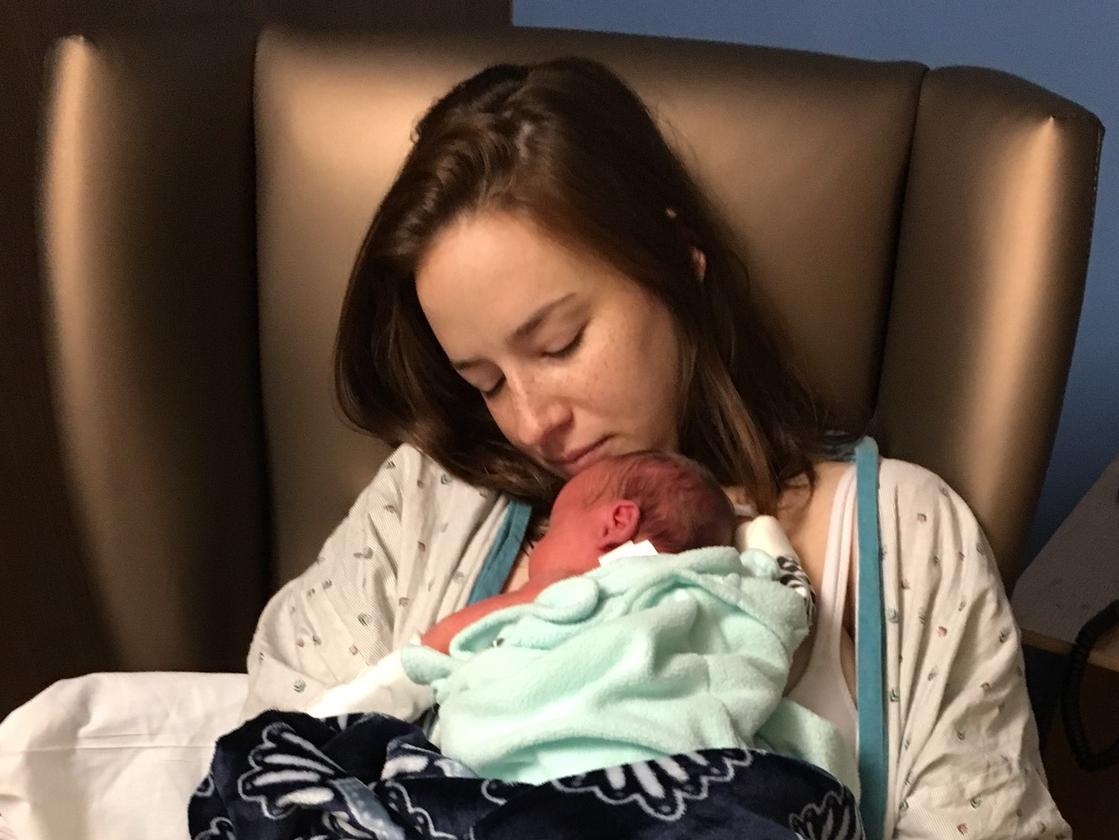
During Samantha’s challenging health odyssey with multiple invisible illnesses, we learned so much. The emerging science in genetics, connective tissue (fascia), and brain injuries can have a "ripple effect" on care for others who suffer from Traumatic Brain Injury, Alcohol Use Disorder, and/or Ehlers-Danlos Syndrome.
EHLERS-DANLOS SYNDROME (EDS)
Medical students have been taught for decades that, “When you hear hoofbeats, don’t expect a zebra.” In other words, look for the more common and usual, not the rare diagnosis. This difficulty in being heard and treated appropriately by clinicians is common for ZEBRAs, and is now referred to as "Clinician Associated Traumatization" or CATs.
Karlie’s odyssey to diagnosis took until she was 55 years old. Samantha was diagnosed shortly after Remy was born. Samantha’s sibling Jesse is diagnosed now as well.
Many family members in earlier generations, our generation, and our children and grandchildren have signs of EDS. The earlier generations had no way of knowing, but those of us still living and their children and grandchildren have that possibility.
EDS in any form is a diagnosis that is critically important to know if one has it as much can be done to improve quality of life, treat issues appropriately to the diagnosis with better outcomes, avoid known complications, and have a better chance at preventing catastrophes.
"We still have lots of people with symptoms being blamed on anxiety and depression or hormones and it’s simply not good enough,” says Lara Bloom, president and CEO of The Ehlers-Danlos Society, who herself has hEDS. “In addition, we are now seeing more people with hypermobile EDS, which historically did not shorten your life expectancy, dying from highly avoidable causes such as suicide or complications with malnutrition from gastrointestinal symptoms that were missed or put down to psychological issues.”
SOME RESOURCES:
What is EDS?
https://www.ehlers-danlos.com…
Test Yourself for the Beighton Score Hypermobility Test
https://www.youtube.com/watch…
The Ehlers-Danlos syndromes (EDS) GP Toolkit
https://gptoolkit.ehlers-danl…
NIH: Ehlers-Danlos Syndrome
https://www.ncbi.nlm.nih.gov/…
Clinician-associated traumatization from difficult medical encounters
https://www.sciencedirect.com…
https://www.youtube.com/watch…
https://www.drkarawada.com/po…
Putting Zebras in Plain Sight: A Focus on Ehlers-Danlos Syndrome https://www.insideprecisionme…
Diagnostic Deserts: Community-Level Barriers to Appropriate Genetics Services https://www.ncbi.nlm.nih.gov/…
How a Patient-Led Effort Can Change a Research Landscape https://rare-x.org/blog/2020/…
POTS: A Look Beneath The Surface
(Samantha was also diagnosed with POTS which is often co-occurring with EDS)
https://justkeepstimming.com/…
Bringing Care to Rare - MN Rare Disease Advisory Council
https://mnraredisease.org/wp-…
Less Is More for Hypermobility | EDS Exercises with Jeannie Di Bon
https://www.youtube.com/watch…
------
CONNECTION BETWEEN BRAIN INJURY IN CHILDHOOD AND ALCOHOL USE DISORDER
During our journey alongside Samantha, the breakthroughs we've made have led us to discover a deeply compassionate understanding of the struggles with addiction others have gone through. We grieve, too, for those who have gone before whose lives we missed out on and lost as they struggled in shame, not knowing.
While anyone can fall, people with Ehlers-Danlos Syndrome tend to fall more. Samantha fell and hit her head a lot, starting in childhood. She also experienced head traumas from domestic violence, which is all too common. We learned that whiplash, choking, and more can cause brain injury.
“Traumatic brain injury (TBI) represents a major public health problem. Each year, 1.4 million people sustain TBI in the United States. 235,000 patients are hospitalized and 50,000 die. The leading cause of TBI in the general population is falls, where rates are highest among children ages 0 to 4 and among adults ages 75 or older. Falls are followed closely by motor vehicle crashes and assaults as overall causes of TBI. However, motor vehicle crashes result in the greatest number of TBI-related deaths and hospitalizations.” https://stacks.cdc.gov/view/c…
Families are deeply impacted by brain injuries and the impact on their loved ones. “In addition, the psychosocial burden borne by families of individuals with TBI must be taken into account…” https://www.ncbi.nlm.nih.gov/…
As we’re learning from sports, many brain injuries go undetected. The imaging tools of CAT Scan and MRI often do not show evidence of brain injury even when there is injury.
While undiagnosed by medicine, the brain still knows it’s injured and lacking energy. In some brain injuries glycolysis is affected. Like the lungs which prioritize getting air over everything else to stay alive, the brain prioritizes energy from glycolysis to sustain life. Alcohol is known to be effective at quickly providing glycolysis to the brain.
Addiction is not a choice, as we know, but perhaps don’t fully understand yet.
It’s a CAN'T stop not a won’t stop.
Brain energy is a bodily demand. The body makes the physical choices it needs to keep itself alive. The body will overrule the mind because the body’s survival is at stake.
SOME RESOURCES:
Alcohol Use Disorder and Traumatic Brain Injury
https://www.ncbi.nlm.nih.gov/…
Glycolysis and the significance of lactate in traumatic brain injury
https://ncbi.nlm.nih.gov/pmc/…
TBI Research Review: Unidentified Brain Injury
https://www.brainline.org/art…
US Dept of Veteran Affairs TBI Toolkit
https://www.mirecc.va.gov/vis…
Neurobehavioral Symptom Inventory (NSI)
https://health.mil/Reference-…
Abused & Brain Injured Screening for Brain Injury
https://www.abitoolkit.ca/sup…
MN Brain Injury Alliance: A Letter From Your Brain
https://www.braininjurymn.org…
HCMC: Traumatic Brain Injuries in Seniors
https://www.hennepinhealthcar…
Consequences for the Family: Children of a Parent with Brain Injury
https://www.braininjury-expla…
Brain Injury Association of New York State: Substance Use Often Under-Recognized Condition That Commonly Occurs with Substance Use & Create Significant Barriers to Recovery
https://bianys.org/resources/…